Figuring out how to rent a roll off dumpster shouldn’t require a phone call maze or a degree in waste management. But between choosing the right size, understanding what drives the price, and finding a company that actually shows up when they say they will, there’s more to it than just picking the first option on Google.
Whether you’re gutting a bathroom, clearing out a garage full of 20 years’ worth of stuff, or managing debris on a construction site, the process follows the same basic steps. Get them right, and the whole project runs smoother. Get them wrong, and you’re dealing with extra hauls, surprise fees, or a dumpster that’s too big sitting in your driveway for a week longer than planned.
At Dump Express, we’ve handled thousands of dumpster rentals across Cape Cod and Plymouth over the past two decades. This guide breaks down exactly how the rental process works, from sizing and pricing to scheduling delivery, so you can book with confidence and keep your project on track.
What to know before you rent a roll-off dumpster
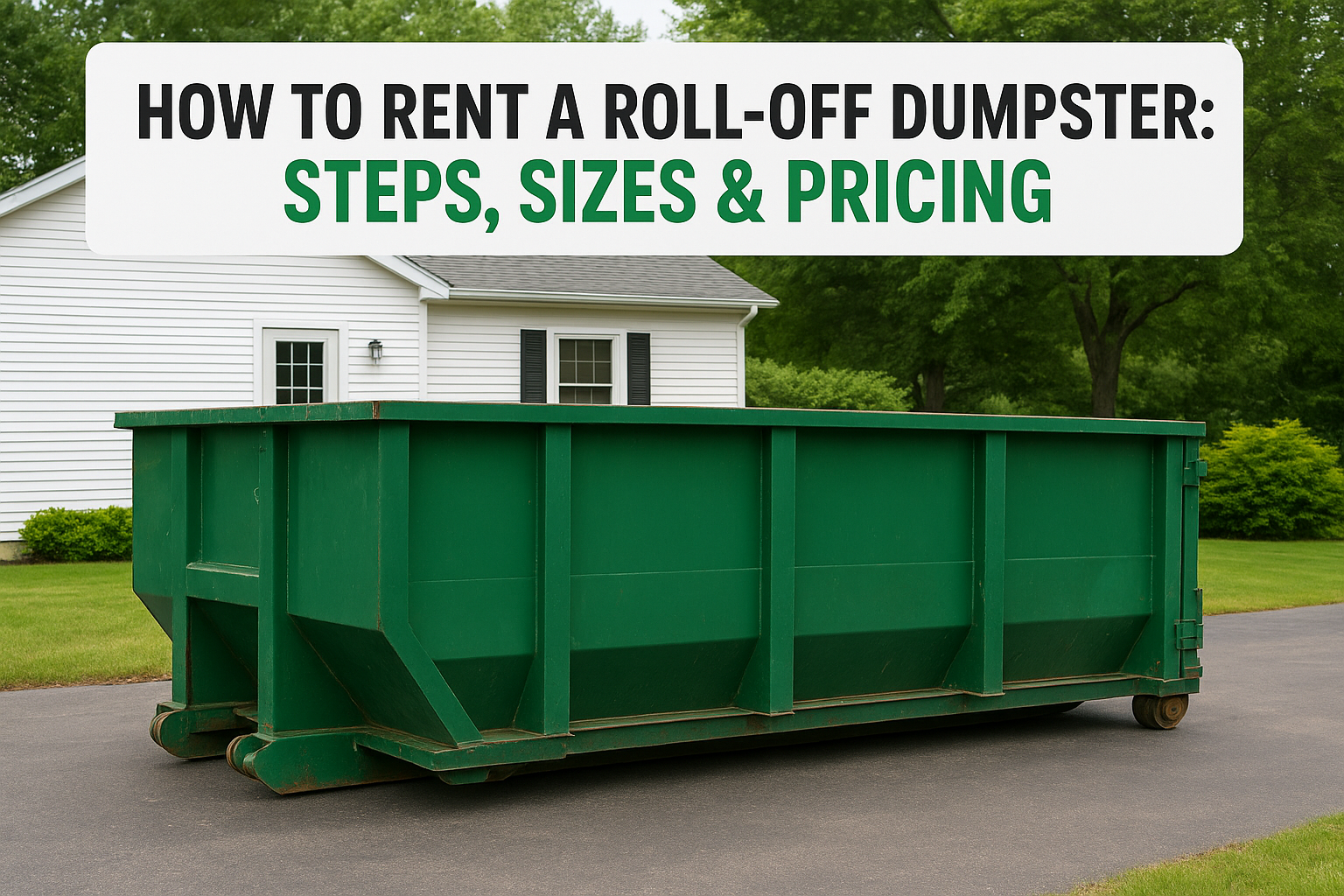
Before you get into the steps of how to rent a roll off dumpster, it helps to understand what you’re actually renting and how the process works at a basic level. A roll-off dumpster is a large, open-top container delivered to your property on a specialized truck. The truck rolls the container off its bed onto your driveway or job site, you fill it over your rental period, and then the company returns to haul it away. That’s the whole concept.
Roll-off vs. other dumpster types
Roll-off dumpsters differ from the smaller rear-load or front-load containers you see behind restaurants or apartment buildings. Those are designed for repeated weekly pickups under a service contract. A roll-off is a one-time delivery and pickup built around a specific project. You rent it, fill it, and it leaves. Sizes typically range from 5 yards to 20 yards, covering everything from a single-room cleanout to a full demolition job.
Roll-off rentals work best when you have a clear start and end date for your project, since the rental period is tied to a fixed schedule.
What roll-off rental actually involves
Renting a roll-off is a short-term transaction. You pick a size, confirm your rental period, and schedule a delivery date. Most rental periods run anywhere from a few days to two weeks, depending on your project scope. The company drops off the container, you load it at your own pace, and then you call or schedule online for pickup when you’re ready. A few factors determine how smooth that process goes.
Local regulations can affect where and how long a dumpster can sit on your property. If you need it placed on a public street or in a permit-required zone, your town may require a permit before the container arrives. Many local rental companies know exactly what each town requires, which can save you from an unexpected delay or fine.
What to confirm before you call
Gathering a few details before you contact a rental company keeps the conversation short and helps you get an accurate quote faster. Companies that know their service area will ask most of these questions anyway, but going in prepared puts you in control.
- Project type (cleanout, renovation, construction, landscaping)
- Approximate debris volume you expect to generate
- Your delivery window and how long you’ll need the container on-site
- Placement location on your property (driveway, yard, street)
- Any prohibited materials in your waste stream (tires, mattresses, hazardous items)
Having this list ready means you can pick the right size, avoid overshooting your budget, and book your delivery without unnecessary back-and-forth.
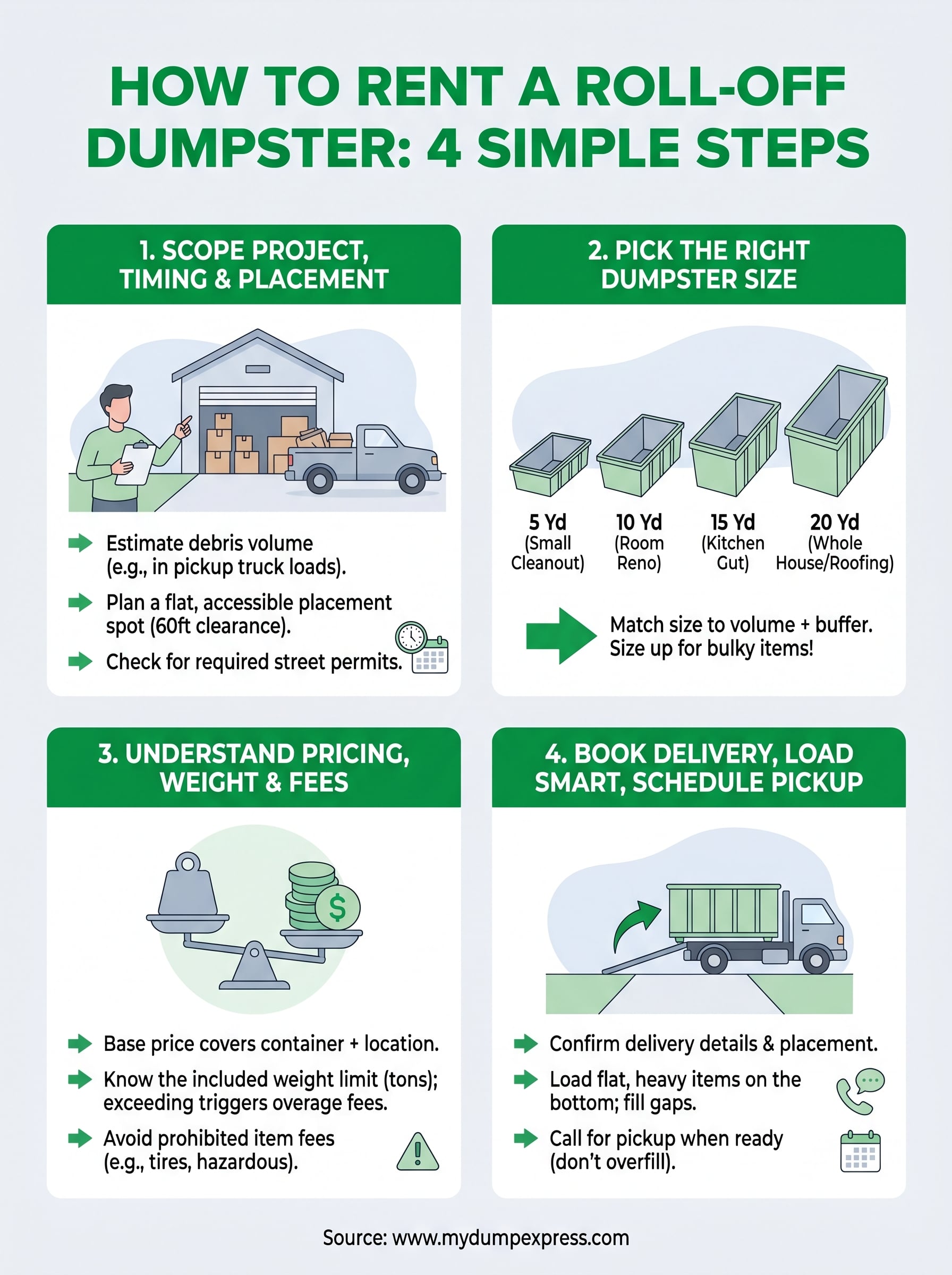
Step 1. Scope your debris, timing, and placement
Before you figure out how to rent a roll off dumpster, take 20 minutes to assess your project. Getting this step right saves you from ordering the wrong size, booking the wrong dates, or discovering on delivery day that your driveway can’t fit the container you requested.
Estimate your debris volume
Walk through the space you’re clearing and make a rough count of what you’re throwing out. Think in terms of pickup truck loads as a mental reference point. One full pickup truck load equals roughly 2 cubic yards of debris. A kitchen gutted to the studs might produce 5 to 8 yards of material. A garage cleanout with furniture, boxes, and old appliances can run anywhere from 3 to 10 yards depending on how packed the space is.
Use this quick reference to anchor your estimate:
| Project Type | Estimated Debris Volume |
|---|---|
| Single-room cleanout | 3-5 yards |
| Full garage or basement cleanout | 5-10 yards |
| Kitchen or bathroom renovation | 5-8 yards |
| Whole-house cleanout | 10-20 yards |
| Roofing tear-off (average home) | 10-15 yards |
When in doubt, round up. Overfilling a dumpster past the fill line creates a safety issue and can trigger overage fees on pickup.
Plan your placement before delivery day
Walk your driveway or lot before the truck arrives and identify a flat, accessible spot where the container can sit without blocking traffic or creating a hazard. Roll-off trucks need roughly 60 feet of clearance to back in and drop the container safely, so narrow driveways or tight cul-de-sacs can limit your options.
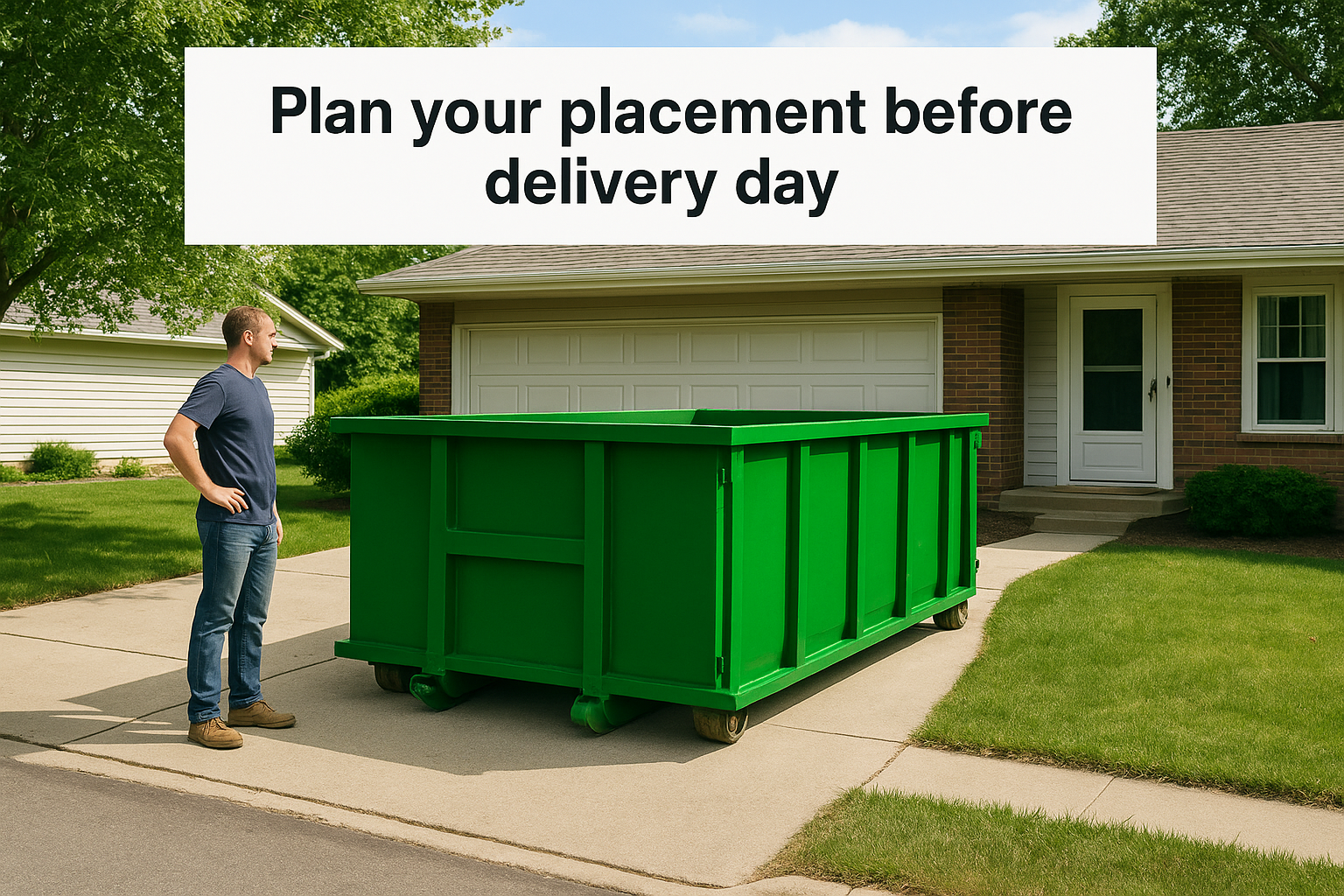
Check whether your town requires a street permit if the dumpster needs to sit on a public road. Permit rules vary by town, and skipping this step can result in a fine or a forced early removal. A local rental company familiar with your area can tell you exactly what your town requires before you book.
Step 2. Pick the right dumpster size
Choosing the right container is one of the most important decisions in the whole process of how to rent a roll off dumpster. Order too small and you pay for a second haul. Order too large and you spend more than the project requires. Use your debris estimate from Step 1 as your starting point, then match it to the size that covers your volume with a small buffer built in.
The four standard sizes and what they cover
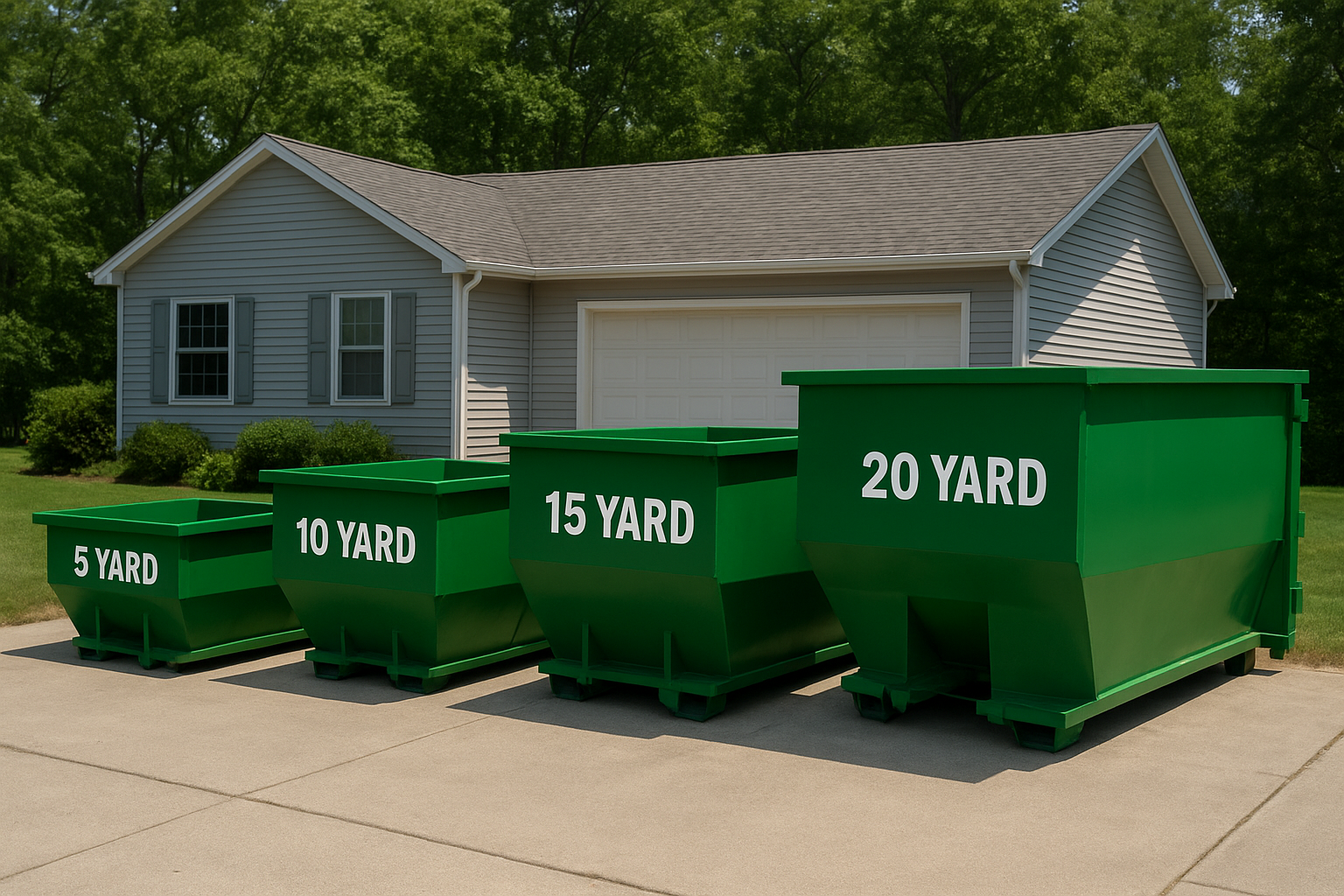
Most residential and light commercial rental companies offer four container sizes. Each size fits a specific range of project types, so knowing what falls into each category helps you make the right call without second-guessing yourself.
| Dumpster Size | Cubic Yards | Best For |
|---|---|---|
| 5-yard | 5 | Single-room cleanouts, small junk removal |
| 10-yard | 10 | Bathroom renovation, small garage cleanout |
| 15-yard | 15 | Kitchen gut, deck removal, medium cleanout |
| 20-yard | 20 | Whole-house cleanout, roofing, large renovation |
At Dump Express, these four sizes cover the full range of residential and contractor needs across Cape Cod and Plymouth. If you estimated 6 to 8 yards of debris, a 10-yard gives you working room without paying for a 15-yard you won’t fill.
Signs you should size up
If any of the following conditions apply to your project, move to the next size up before you book. Running out of space mid-project costs more in the long run than paying a slightly higher base rate.
- You’re clearing a space that hasn’t been touched in more than five years
- Your debris includes bulky items like furniture, mattresses, or appliances
- You expect to find additional material once you start pulling things apart
- Multiple people are loading the container at the same time
Overfilling a dumpster past the fill line is a safety violation and most companies will not haul an overloaded container without an additional fee.
Step 3. Understand pricing, weight limits, and fees
Pricing is where many people get tripped up when figuring out how to rent a roll off dumpster. The base rental rate is just one part of the total cost. Weight limits, overage charges, and prohibited item fees can all push your final invoice higher if you don’t account for them before you book.
What drives the base price
Most rental companies set their base rate by container size and geographic location. A 10-yard dumpster in a dense urban area typically costs more than the same container in a rural town, because disposal facility fees and haul distance vary by market. On Cape Cod, town-specific pricing reflects local disposal costs and logistics, so always check rates for your specific town rather than assuming one flat price applies across the board.
Getting a quote tied to your specific town and project type gives you a more accurate number than any generic estimate you’ll find online.
Weight limits and overage fees
Every dumpster rental comes with a weight allowance built into the base price. That limit is usually expressed in tons, and it varies by container size. Hauling heavier materials like concrete, brick, or soil burns through that allowance fast. Exceeding the included tonnage triggers a per-ton overage fee that gets added at the time of pickup, so you won’t know the extra charge until after the container leaves your property.
Use this as a general guide for material weight:
| Material Type | Approx. Weight per Cubic Yard |
|---|---|
| Household junk / furniture | 100-300 lbs |
| Construction debris (wood, drywall) | 300-500 lbs |
| Shingles / roofing material | 750-1,000 lbs |
| Concrete / brick / dirt | 1,500-2,000 lbs |
Other fees to watch for
Beyond weight, a few other charges can appear on your final bill. Extended rental fees apply if your project runs past the agreed-upon pickup date. Prohibited items such as tires, mattresses, and hazardous materials carry disposal surcharges or flat fees if they end up in the container. Ask your rental company for a complete fee schedule before you confirm your booking so there are no surprises when the truck returns.
Step 4. Book delivery, load smart, and schedule pickup
With your size selected and pricing understood, the last phase of how to rent a roll off dumpster comes down to execution. Booking the right delivery window, loading the container efficiently, and calling for pickup at the right time keeps the whole rental tight and prevents extra charges from sneaking in.
Book your delivery slot
Contact your rental company with your confirmed size, delivery date, and placement location ready to go. Most companies can schedule deliveries within one to two business days, and some offer same-day service depending on availability. Give them your full address, specify where on your property you want the container placed, and confirm your expected rental duration so they can flag your pickup window in advance.
Use this checklist when you call or book online:
- Container size you’ve selected
- Full delivery address and specific placement instructions
- Preferred delivery date and earliest available window
- Estimated pickup date or "call when ready" preference
- Any permit requirements already confirmed with your town
Booking early in the week gives you more flexibility on delivery time and avoids weekend scheduling conflicts.
Load the container the right way
Start with flat, heavy items on the bottom of the container, such as lumber, drywall sheets, or appliances. This creates a stable base and keeps the center of gravity low, which matters when the truck lifts and tilts the container onto its bed. Break down bulky items like furniture or boxes before loading them so you maximize every cubic yard of space you paid for.
Work your way up in layers, filling gaps with smaller debris as you go. Keep the load level across the container rather than piling material in one corner. Once your project wraps up, call your rental company to schedule pickup. Don’t wait until the container is overflowing to make that call, since scheduling a same-day pickup on short notice isn’t always possible.
Next steps if you want a dumpster this week
Now you know exactly how to rent a roll off dumpster: estimate your debris, pick the right size, understand what drives your total cost, and book delivery with a clear plan for loading and pickup. Following these steps in order keeps your project on schedule and protects you from the extra charges that catch most first-time renters off guard.
If you’re working on Cape Cod or in the Plymouth area, Dump Express delivers 5, 10, 15, and 20-yard dumpsters across 40+ towns, seven days a week. Pricing is transparent and listed by town so you know your number before you book. Same-day delivery is available in some cases, and the local team can help you confirm the right size if you’re still not sure. Get your dumpster rental quote from Dump Express and get your project moving this week.