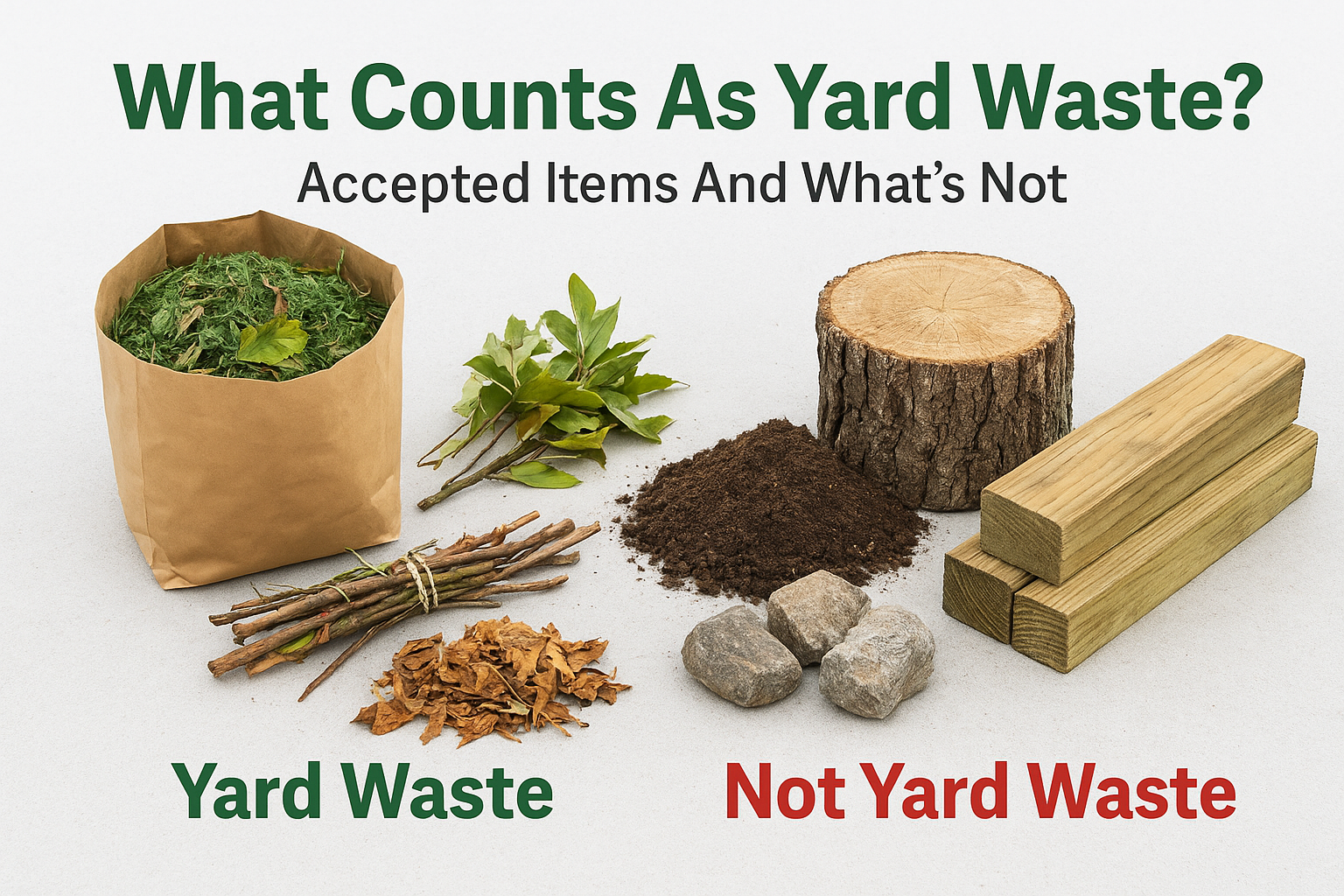
You’re bagging up debris from the yard, loading branches into a pile, and wondering, does all of this actually qualify? Knowing what counts as yard waste matters more than most people realize, especially when it affects how you dispose of it. Toss the wrong item into a yard waste bin or container, and you could face rejected loads, extra fees, or disposal headaches you didn’t see coming.
The rules aren’t always obvious, either. Some items that look like yard waste, stumps, treated wood, dirt, often don’t make the cut. Different towns across Cape Cod have their own collection guidelines, and disposal facilities can be strict about what they accept. Getting it wrong wastes time and money.
At Dump Express, we handle waste removal projects across Cape Cod and Plymouth every day, and yard debris is one of the most common things our customers need to get rid of. This article breaks down exactly which items are accepted as yard waste, what’s excluded, and how to handle disposal the right way, so you can clear your property without surprises.
Why "yard waste" rules matter
Most people assume yard waste is just yard waste. But municipal collection programs and disposal facilities draw clear lines between what they accept and what they don’t. When you misidentify an item, you risk rejected loads, fines, or extra haul fees that could have been avoided with basic upfront knowledge.
Local collection programs have strict limits
Your town’s curbside pickup program runs on fixed schedules and specific rules. In Massachusetts, many municipalities follow state-level organic waste guidelines, but individual towns layer on their own restrictions about bag types, bundle sizes, and accepted materials. Cape Cod towns often have different rules from one another due to local transfer station agreements and composting facility requirements.
Getting rejected at the curb or transfer station means hauling the same debris twice, which costs you extra time and money.
Practically speaking, here’s what varies town to town:
- Some programs only accept yard waste in paper bags or open containers, not plastic
- Branch bundles often have strict diameter and length limits
- Transfer station drop-off windows may be limited to certain days or hours
Disposal facilities reject mixed loads
Understanding what counts as yard waste also protects you at the disposal end. Transfer stations and composting facilities separate organic material from general refuse, and if your load contains non-organic items like plastic bags, treated lumber, or soil, they can reject the entire load. That rejection sends you back to square one with a full container and nowhere to put it.
Cape Cod’s transfer stations route clean yard debris to composting operations. When you mix in contaminated materials, you compromise the entire composting batch, which is why facilities enforce these rules consistently and without exception.
What counts as yard waste
So what counts as yard waste, exactly? At its core, yard waste refers to organic plant material generated from routine outdoor maintenance. This includes the debris that comes from mowing, pruning, raking, and seasonal cleanup around your property.
Most disposal facilities define yard waste strictly as untreated, natural plant material with no soil, chemicals, or artificial materials mixed in.
Common accepted items
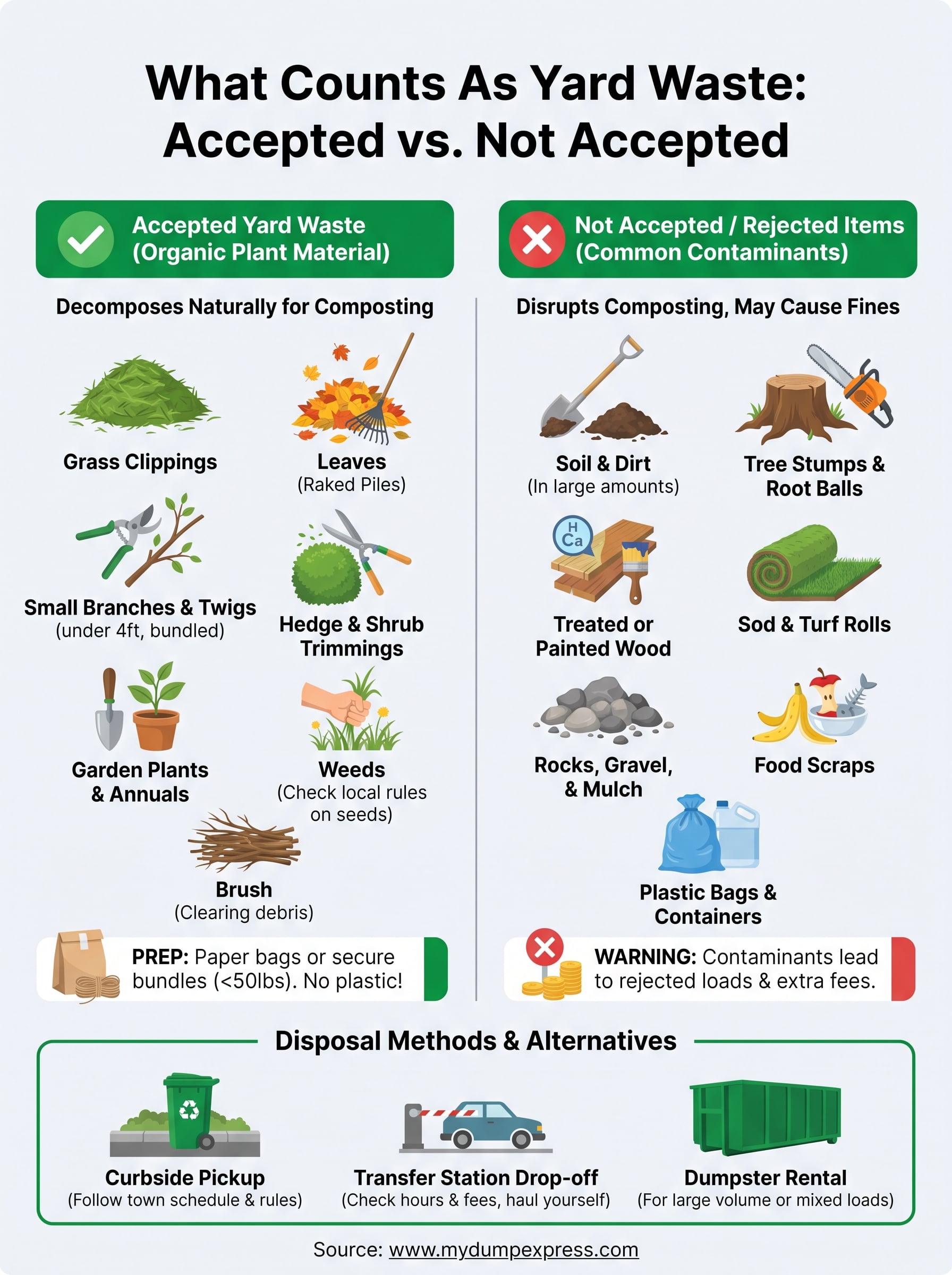
Your standard yard waste pile typically includes material that decomposes naturally and can be processed at composting facilities without contamination. Accepted items generally fall into these categories:
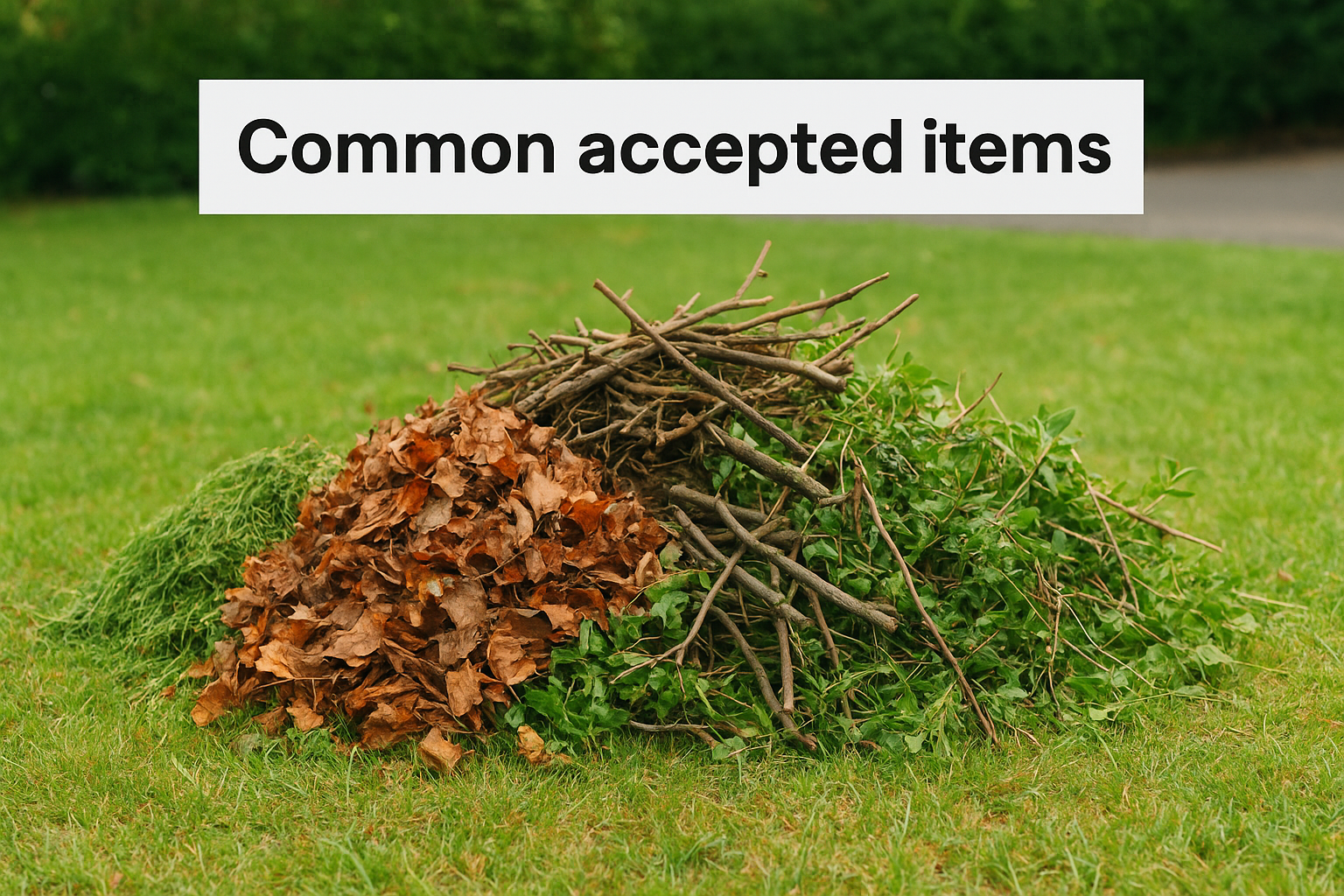
- Grass clippings from mowing
- Leaves and leaf piles from raking
- Small branches and twigs from pruning or storms
- Hedge and shrub trimmings
- Garden plants and annuals pulled at end of season
- Weeds (without seed heads in some programs)
- Brush from clearing overgrown areas
What about larger organic material?
Some programs accept larger woody material like logs and tree limbs, but with conditions. Most transfer stations and curbside programs require branches to be cut to a specific length, often under four feet, and bundled securely before pickup.
Oversized limbs or whole tree sections generally fall outside standard yard waste collection. For those, you’ll need a separate arrangement, like a roll-off dumpster or a direct drop-off at your local transfer station.
What does not count as yard waste
Knowing what counts as yard waste also means knowing what disqualifies an item. Treated or painted wood, even if it came from a tree or shrub, doesn’t qualify because the chemicals it carries contaminate composting operations. The same goes for anything that isn’t pure, untreated plant material, regardless of where it came from.
If you’re unsure whether an item belongs in yard waste, assume it doesn’t until you confirm with your local transfer station.
Items commonly mistaken for yard waste
People routinely mix materials into yard waste loads that facilities won’t accept. Here are the most common offenders:
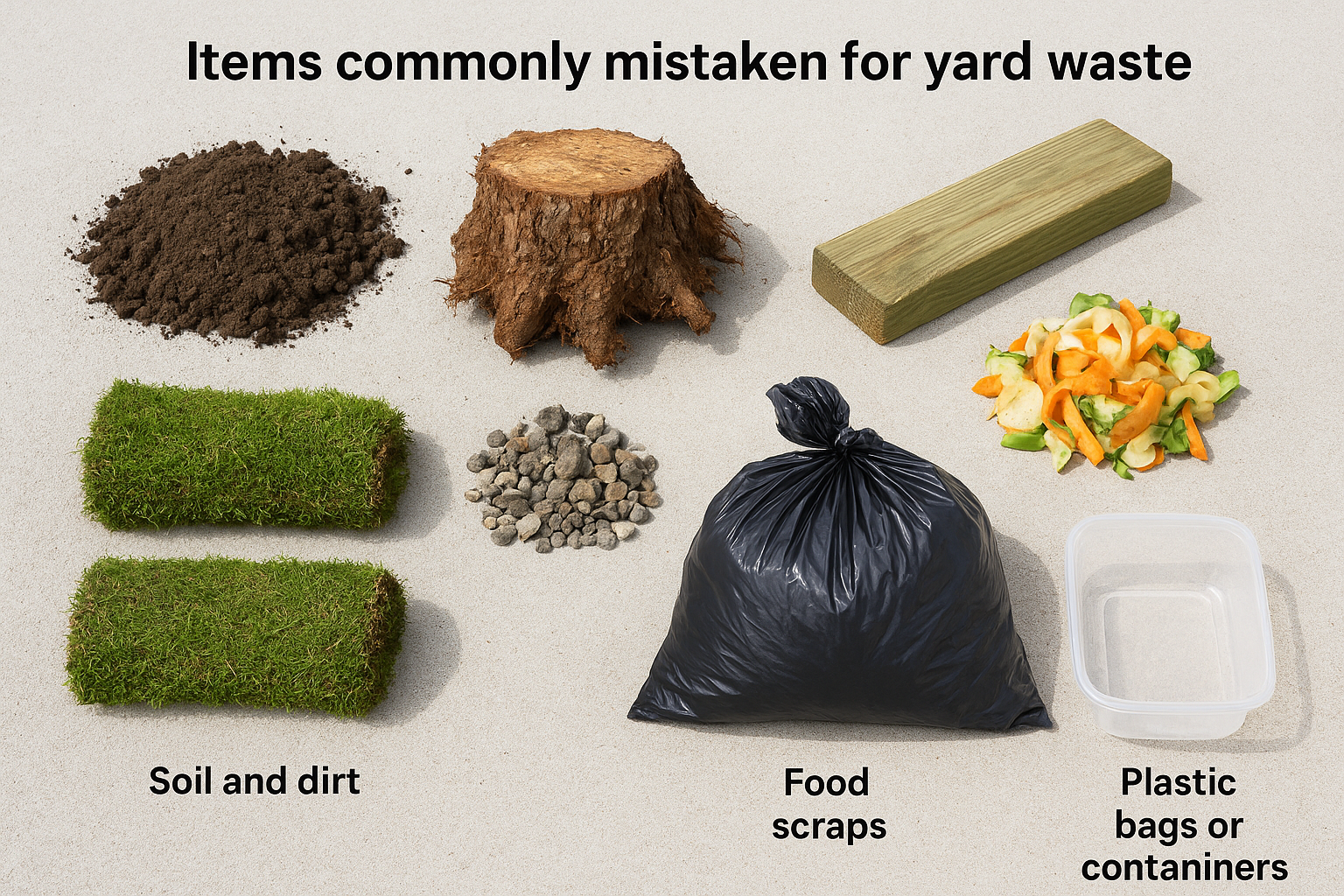
- Soil and dirt from gardening or landscaping projects
- Tree stumps and large root balls
- Treated or pressure-treated lumber scraps
- Sod and turf rolls
- Rocks, gravel, and mulch
- Food scraps from your kitchen
- Plastic bags or containers used to hold yard debris
Why these items get rejected
Disposal facilities reject these materials because they disrupt composting processes or introduce hazardous contamination. Soil adds excessive weight and contains non-organic particles that composting systems can’t process properly.
Stumps and root balls are too dense and slow-decomposing for standard composting timelines, so most facilities categorize them separately. Treated wood carries chemical preservatives that compromise entire batches of finished compost, making the end product unsafe for reuse.
How to prep and dispose of yard waste
Once you know what counts as yard waste, the next step is getting it ready for collection or drop-off. Proper preparation keeps your load from being rejected and speeds up the entire disposal process.
Checking your town’s specific requirements before you bag or bundle anything can save you a wasted trip to the transfer station.
Bundle and bag it correctly
Most curbside programs require yard waste in specific containers or packaging. Paper lawn bags are the most widely accepted option because they break down during composting. Plastic bags are rejected by nearly all programs since they contaminate the composting process and create sorting problems at the facility.
For branches and woody material, tie them into secure bundles no longer than four feet and keep each bundle under 50 pounds. Check with your town’s public works department for exact size limits before you start cutting.
Drop-off and scheduling options
Your two main options are curbside collection on designated pickup days or a direct drop-off at your local transfer station. Curbside pickup runs on fixed schedules, so missing the window means waiting another week. Transfer stations offer more flexibility but require you to haul the material yourself during operating hours.
When a dumpster makes more sense
Curbside pickup and transfer station drop-offs work fine for routine maintenance, but some projects generate far more debris than those channels can handle. When you’re clearing a large property, cutting down multiple trees, or doing a full landscape overhaul, the volume of material moves well beyond what standard yard waste collection is built for.
A dumpster gives you a single drop point for everything, so you’re not making repeated trips or waiting on pickup schedules.
Large-scale cleanouts and storm cleanup
After a major storm or a big pruning job, the sheer amount of branches, debris, and downed material adds up fast. Bundling and bagging becomes impractical at that scale. Renting a 10-yard or 15-yard dumpster lets you load everything in one place and have it hauled away on your schedule, not the town’s.
Projects that mix yard and non-yard material
Renovation projects, shed teardowns, and landscaping overhauls rarely produce pure yard waste. When you’re dealing with a combination of brush, lumber scraps, old fencing, and general debris, a dumpster handles mixed loads without forcing you to sort every item against strict yard waste rules. Knowing what counts as yard waste only gets you so far when your project produces material that doesn’t fit that definition.
Next steps for your yard waste
Now that you know what counts as yard waste and what doesn’t, you can move forward without second-guessing every item you pull from the property. Sorting your debris correctly before disposal saves you from rejected loads, wasted trips, and unexpected fees. Start by separating clean plant material from anything that won’t pass at your local transfer station, and check your town’s specific bagging and bundling rules before collection day.
For larger projects where curbside pickup won’t handle the volume, a roll-off dumpster is the practical answer. Dump Express serves Cape Cod and Plymouth with reliable dumpster rentals in sizes built for everything from yard cleanouts to full landscape overhauls. You get flexible scheduling and upfront pricing without the guesswork. If you’re ready to clear your property without the back-and-forth, rent a dumpster for your yard cleanout and get it done on your timeline.