
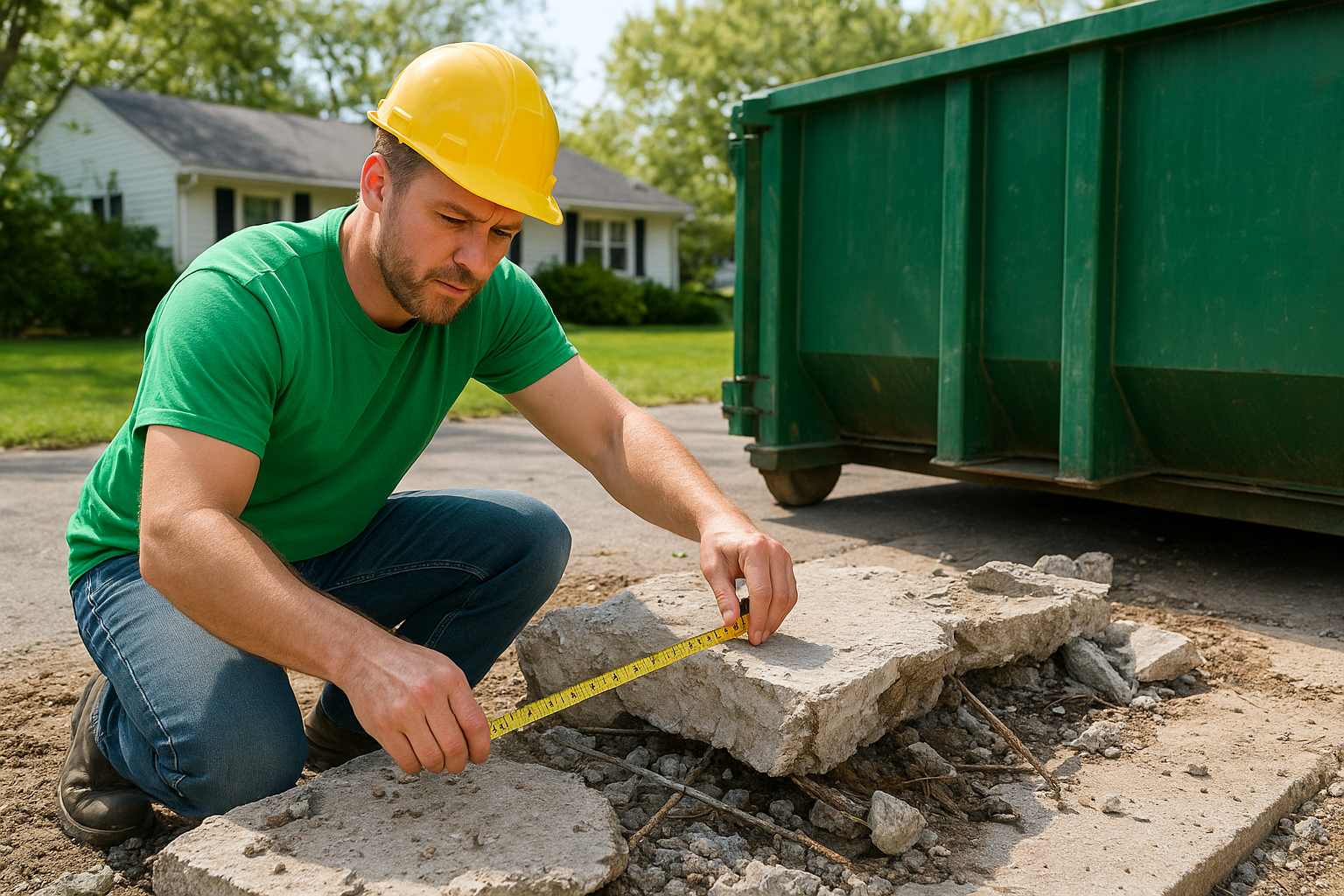
That old patio, driveway, or foundation slab isn’t going anywhere on its own, and searching "concrete removal service near me" at 10 p.m. usually means you already have a project timeline breathing down your neck. The problem is that most results either dump you into a call center that quotes blind over the phone, or they bury the actual cost until a salesperson shows up at your house.
Here’s the direct answer: a good concrete removal service near you should give you a town-specific price before you commit, tell you upfront what happens to the broken slabs once they’re loaded, and schedule pickup on days your local disposal facility actually accepts debris. Skip anyone who won’t put a number in writing before showing up with equipment.
This guide walks through exactly how to vet local concrete removal and demolition companies, from figuring out the right dumpster size for a broken driveway or patio slab to spotting hidden fees before they hit your invoice. We’ll also cover what typically drives cost up on concrete jobs specifically, since it disposes differently than household junk or yard waste.
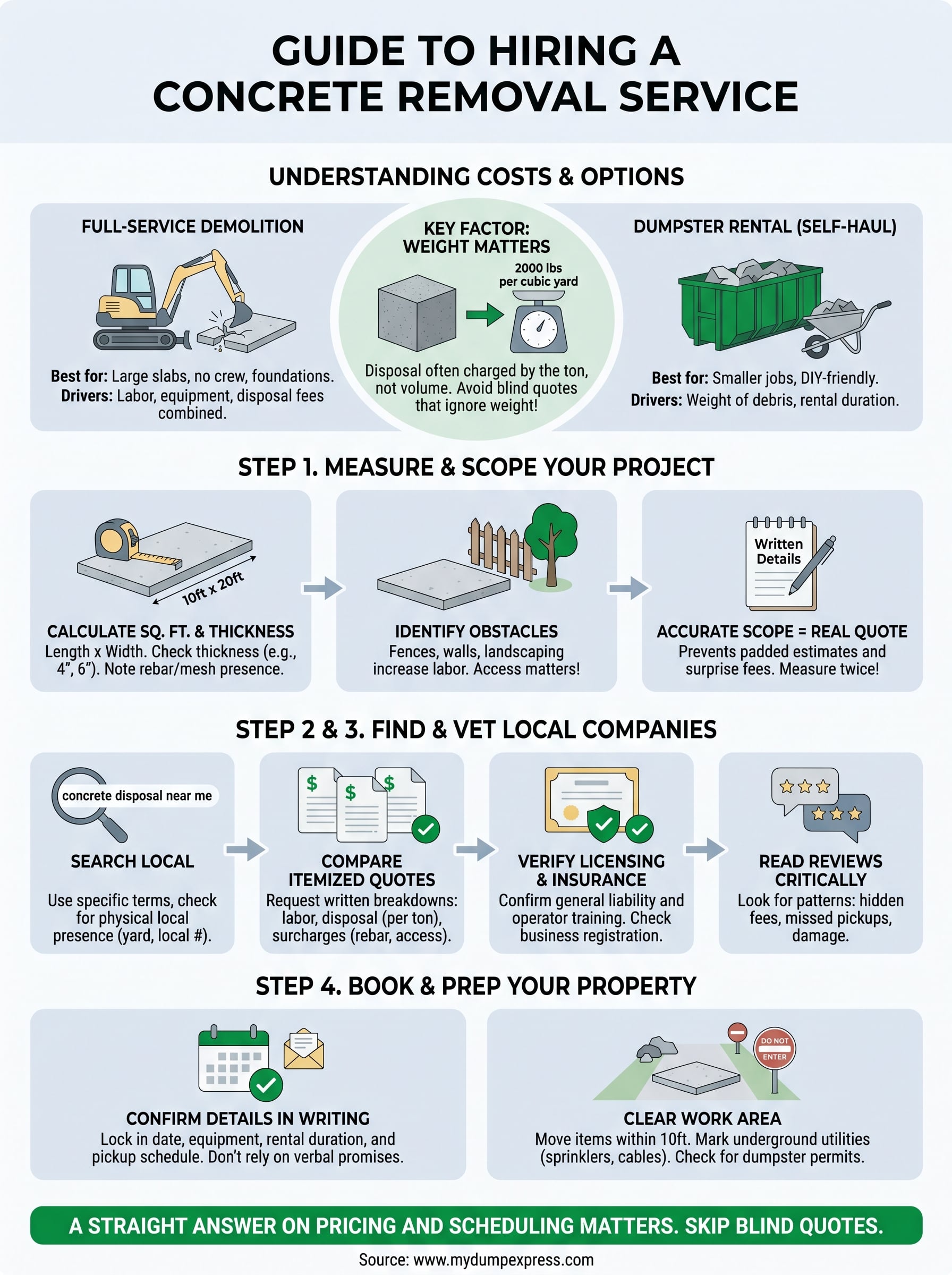
Understanding concrete removal costs and options
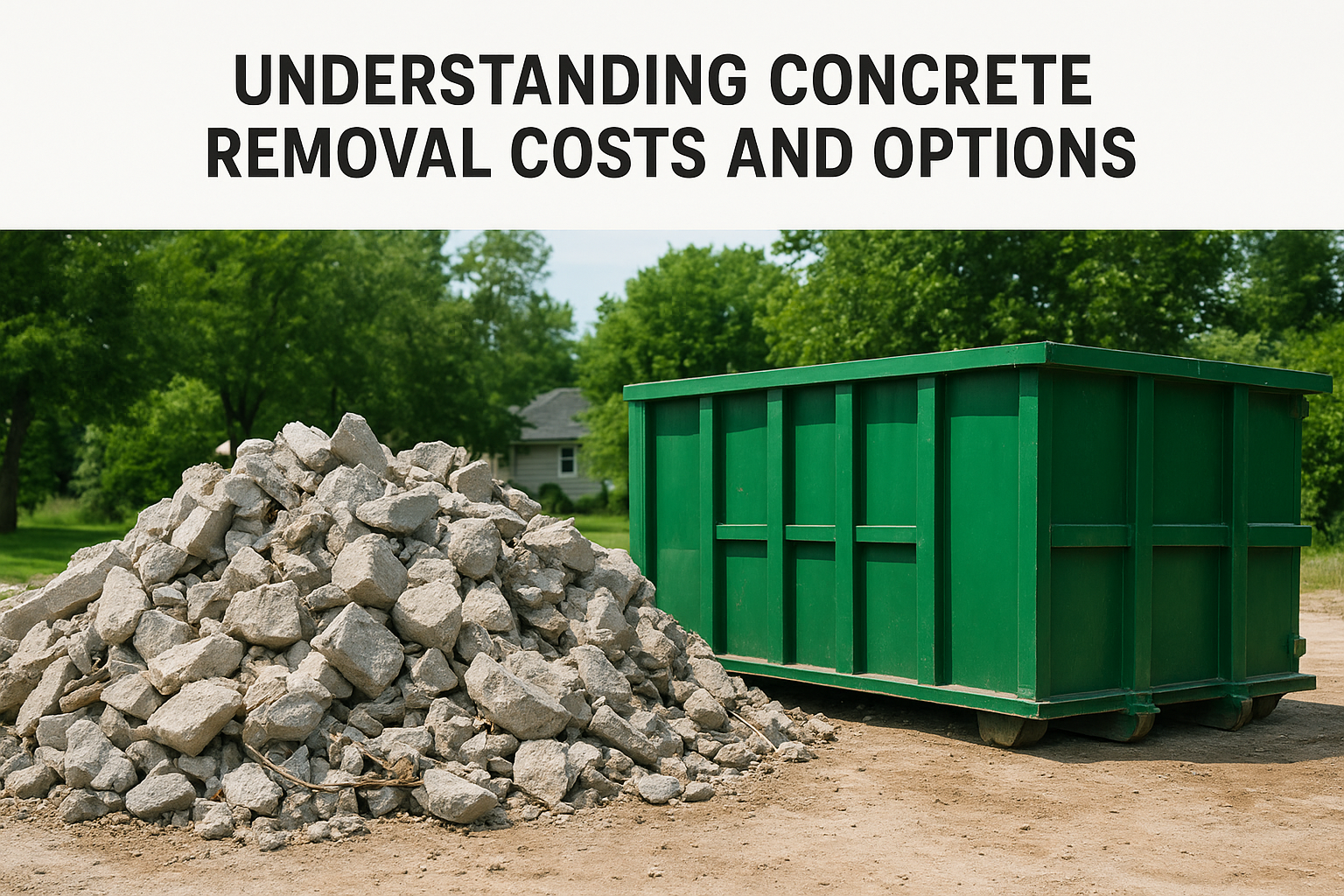
Concrete doesn’t behave like the junk piling up in your garage. It’s dense, it’s heavy, and most disposal facilities charge by the ton instead of by volume, which changes the whole pricing conversation. A single cubic yard of broken concrete can weigh close to 2,000 pounds, so a 20-yard dumpster filled with slab pieces might hit weight limits long before it looks full. That’s why a legitimate quote for concrete removal always accounts for weight, not just container size, and why the same dumpster that easily holds a household cleanout gets expensive fast when it’s loaded with masonry.
Full-service removal versus renting a dumpster
Homeowners generally choose between two paths: hiring a full demolition crew that breaks up and hauls the concrete themselves, or renting a dumpster and handling the breakup and loading on their own or with a contractor. The right choice depends on the size of the slab, whether you already have a crew doing renovation work, and how much labor you’re willing to take on.
| Option | Best for | Typical cost driver |
|---|---|---|
| Full-service demolition | Large slabs, foundations, projects with no existing crew | Labor, equipment rental, disposal fees combined |
| Dumpster rental (self-haul) | Smaller patios, walkways, DIY-friendly jobs | Weight of debris loaded, rental duration |
| Contractor-supplied dumpster | Active renovation or driveway replacement projects | Coordinated with existing construction timeline |
What actually drives the price
Several factors push concrete removal costs up beyond a basic per-ton rate. Thickness matters: a 4-inch patio slab breaks apart differently than a 6-inch reinforced driveway. Rebar and wire mesh embedded in the concrete add cutting time and sometimes separate disposal handling. Access matters too. A slab in a fenced backyard reachable only by wheelbarrow costs more to clear than one sitting curbside next to a driveway. Distance to the nearest facility that accepts concrete also factors in, since not every transfer station takes construction debris the same way it takes regular trash.
A concrete removal quote that ignores weight, thickness, and access isn’t a real quote, it’s a guess.
Geography plays a role as well. On Cape Cod and in Plymouth, some towns have specific rules about where construction debris can be dropped off, and disposal facilities aren’t open every day of the week. That’s part of why town-specific pricing matters more here than in a generic national estimate. A company quoting you the same flat rate regardless of which town you’re in likely hasn’t checked local facility rules or drive-time realities, which shows up later as a surcharge you didn’t see coming.
Step 1. Measure and scope your concrete project
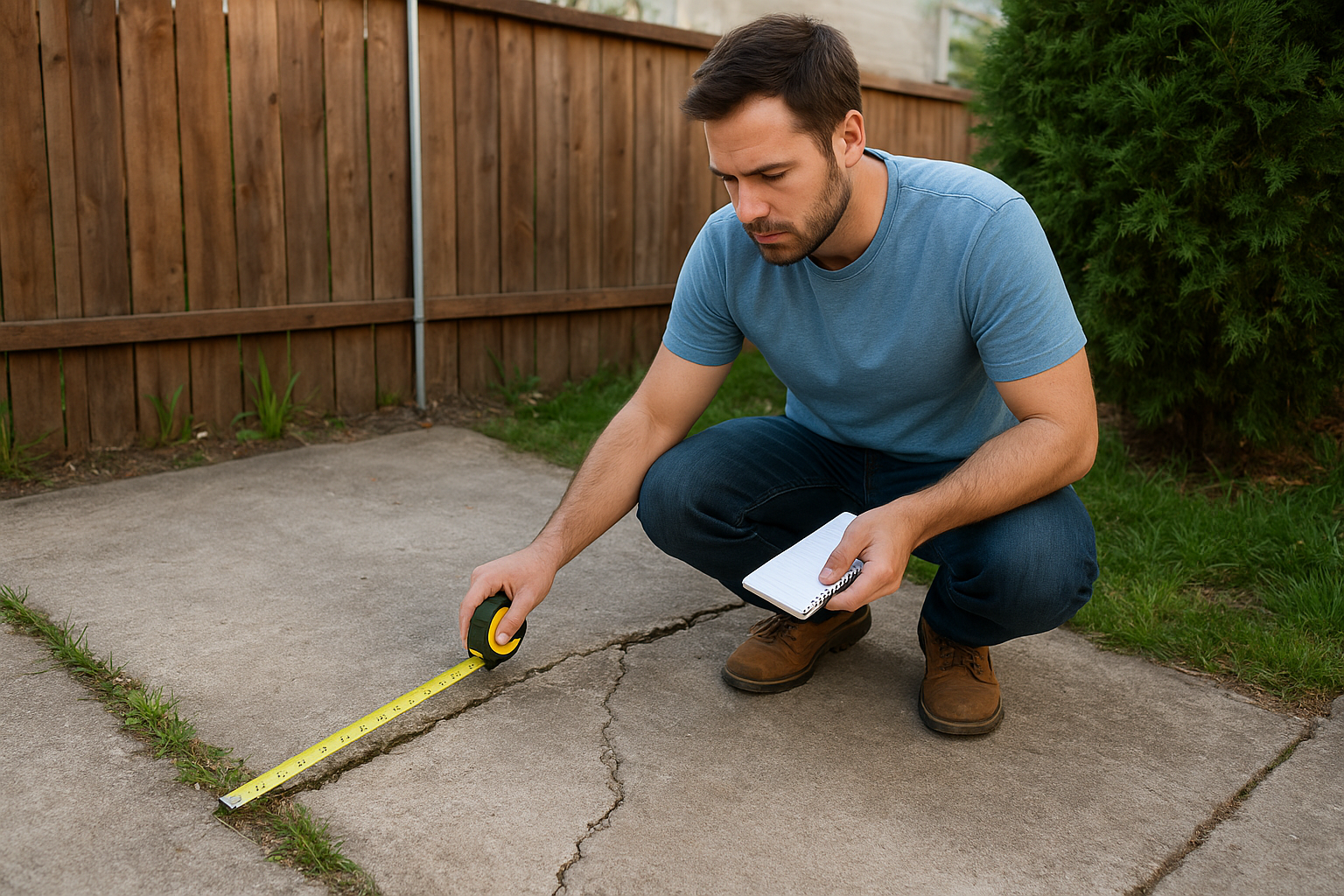
Walk the project area before you pick up the phone. Accurate measurements let a local crew quote you a real number instead of a padded estimate meant to cover their uncertainty, and it keeps you from paying for capacity you don’t need. Grab a tape measure, a notepad, and take photos from a few angles, especially if the slab sits near fencing, landscaping, or a structure.
Calculate square footage and thickness
Multiply length by width to get square footage, then check thickness at a broken edge or exposed crack. Patios usually run 3 to 4 inches thick, while driveways and foundations often hit 5 to 8 inches with rebar reinforcement underneath. Write down:
- Total square footage of the slab or slabs
- Thickness in inches, measured at more than one point
- Whether you see wire mesh or rebar in any cracks
- Distance from the slab to the nearest street or driveway access
Note obstacles and access points
Obstacles change labor time more than almost anything else on a concrete job. A slab boxed in by a fence, retaining wall, or mature trees takes longer to break and load than one sitting open next to a driveway, and that extra time shows up on your invoice whether you hire a demo crew or self-haul with a rented dumpster.
Measure twice, because a wrong estimate on concrete costs more than a wrong estimate on almost anything else you’d toss in a dumpster.
Finally, decide how the debris will leave your property. If you’re already renting equipment for a renovation, a dumpster placed curbside might make sense. If the slab is large, embedded with rebar, or sitting somewhere a truck can’t easily reach, you’re looking at full-service demolition instead.
Step 2. Search for local concrete removal companies
Once you know your square footage, thickness, and access points, start narrowing down who actually serves your town. Typing "concrete removal service near me" into a search bar gets you a mix of national directories, lead-generation sites, and actual local operators, and separating the three matters before you dial a single number.
Use specific search terms, not just one phrase
Broaden your search beyond the obvious phrase so you don’t miss smaller, local operators who rank differently depending on wording. Try a few variations:
- "concrete disposal near me"
- "driveway removal [your town]"
- "dumpster rental for concrete [your town]"
- "demolition company near me"
Running several searches surfaces different businesses each time, especially outside major metro areas where smaller crews don’t invest heavily in ads.
Check for a real local presence
Verify that a company actually operates near you before requesting a quote. A physical yard or listed service area on Cape Cod or in Plymouth tells you more than a slick homepage does. Look for:
| Signal | What it tells you |
|---|---|
| Listed town-by-town service area | Company knows local facility rules |
| Local phone number, not a national call center | You’ll reach someone who knows your street |
| Multiple yard or dispatch locations | Faster turnaround, less drive-time cost |
If a company can’t name the towns it serves, it probably can’t tell you the actual price either.
Gather three to four names before moving forward. Having options gives you leverage in the next step, when you start comparing actual numbers instead of guesses. Skipping this step and calling the first result is exactly how homeowners end up with a blind phone quote that changes once a truck shows up.
Step 3. Compare quotes, licensing, and reviews
With three or four names in hand, call each one and describe your slab’s square footage, thickness, and access points exactly as you measured them. Consistent details across every call mean you’re comparing apples to apples instead of letting one company lowball you on assumptions they’ll correct later. Ask each company to send a written quote, not just a number over the phone.
Request itemized written quotes
A legitimate quote breaks down labor, disposal fees, and any surcharges for rebar, thickness, or difficult access separately. Push back if a company gives you one flat number with no explanation, since that’s usually where hidden fees hide until the invoice arrives.
- Cost per ton or per load for disposal
- Labor or loading charges
- Rebar cutting or removal fees
- Fuel or drive-time surcharges based on your town
A written, itemized quote protects you more than any verbal promise ever will.
Verify licensing and insurance
Concrete demolition involves heavy equipment and debris that can damage driveways, utility lines, or landscaping. Confirm the company carries general liability insurance and, if they’re operating equipment like a mini excavator or skid steer, that operators are properly trained. Massachusetts doesn’t require a special statewide license for dumpster rental or demolition hauling, but legitimate local operators should still register their business and carry coverage. You can check basic business registration status through the Massachusetts Secretary of the Commonwealth’s corporate database if a company’s legitimacy is unclear.
Read reviews with a critical eye
Ratings matter less than the details inside them. Search for mentions of missed pickup windows, surprise fees, or damaged property, since those patterns repeat across reviewers when a company cuts corners. A handful of detailed, specific reviews tells you more than a high star average with vague five-word comments.
Step 4. Book the job and prep your property
Once you’ve picked a company, lock in the actual booking before you hang up the phone. Confirm the date in writing, whether that’s an email or a text confirmation, and make sure the quote you agreed to matches what’s written down. A verbal "we’ll see you Tuesday" isn’t a schedule, it’s a hope, and concrete jobs slip when disposal facilities are only open certain days.
Confirm scheduling and equipment details
Before the crew or dumpster shows up, nail down the logistics that determine whether the job goes smoothly:
- Exact delivery or start date and time window
- Which equipment they’re bringing (mini excavator, skid steer, jackhammer, or manual breakup)
- Where a dumpster or debris pile will sit on your property
- Rental duration if you’re self-hauling with a dumpster
- Pickup date tied to your local disposal facility’s open days
Get the schedule in writing, because a broken slab sitting in your yard for an extra week costs you more than the job itself.
Clear the work area
Preparation on your end saves labor time, and labor time is exactly what drives concrete removal costs up. Move vehicles, patio furniture, potted plants, and anything else within 10 feet of the slab. Mark sprinkler lines, buried cables, or septic components if they run anywhere near the work zone, since a crew can’t guess what’s underground. Clear a path from the street to the slab wide enough for a wheelbarrow or small equipment, and tell neighbors ahead of time if a dumpster will sit near a shared driveway or property line.
Today’s the day to double check parking permits too, since some Cape Cod towns require a permit for dumpsters placed on or near the street. A quick call to your town’s public works office the week before avoids a delayed start on job day.
Choosing the right team for the job
Finding a solid concrete removal service near me search result comes down to the same handful of checks every time: measure your slab before you call, gather a few local names instead of dialing the first ad you see, and insist on written quotes that break down weight, access, and rebar fees separately. Skip any company that won’t commit to a town-specific number before showing up with equipment, and you’ll avoid the surprise invoices that make these projects miserable.
A broken driveway or old patio slab is heavy, awkward, and expensive to move wrong, so the crew you hire matters as much as the price they quote. If you’re on Cape Cod or in Plymouth and want a straight answer on sizing and scheduling before you commit to anything, get a free quote from Dump Express and see what a real local team looks like.