
Whether you just broke up a patio, pulled out a sidewalk, or demolished a foundation wall, you’re now staring at a pile of heavy rubble and wondering where to dispose of concrete. It’s not something you can toss in your curbside bin, and most regular trash haulers won’t touch it. So what are your actual options? More than you might think, and several of them can save you money or even keep that material out of a landfill entirely.
At Dump Express, we haul away concrete debris from renovation and demolition projects across Cape Cod and Plymouth every week. We’ve seen homeowners and contractors deal with everything from a few broken slabs to full truckloads of rubble, and the disposal question comes up constantly. That hands-on experience is exactly why we put this guide together, to give you a clear, practical breakdown of your options.
Below, you’ll find the main ways to get rid of concrete: local drop-off facilities, recycling centers, dumpster rentals, and a few alternatives you might not have considered. We’ll cover what each option costs, what’s accepted, and how to decide which route makes the most sense for your project size and timeline. No guesswork, just straight answers so you can move forward.
What counts as concrete waste and what affects disposal
Before you figure out where to dispose of concrete, you need to know what you’re actually working with. Not all concrete waste is treated the same, and facilities that accept it often have rules about what’s mixed into your load. Understanding this upfront saves you from a rejected haul or unexpected surcharges at the gate.
Types of concrete waste most facilities accept
Most drop-off sites and recycling centers accept clean, broken concrete from slabs, driveways, sidewalks, footings, and curbs. "Clean" means the concrete isn’t heavily contaminated with other materials. Some facilities also take concrete blocks, pavers, and rubble, though policies vary by location, so always call ahead before making the trip.
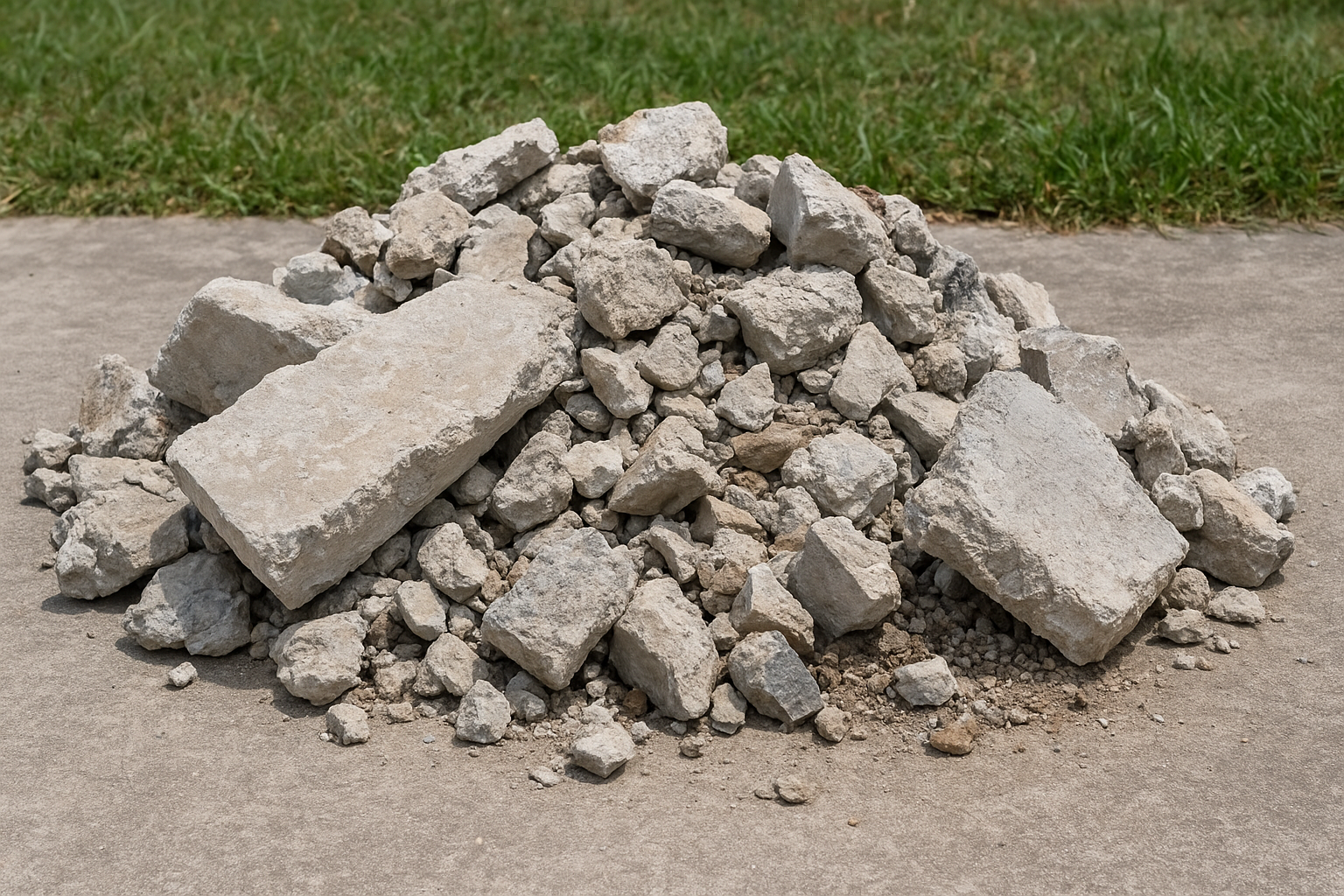
Concrete mixed with asphalt, soil, or hazardous materials like asbestos will be refused at most recycling facilities or charged at a significantly higher rate.
Here’s a quick breakdown of what’s typically accepted versus what causes problems:
| Material | Typically Accepted | May Cause Issues |
|---|---|---|
| Broken concrete slabs | Yes | No |
| Concrete with rebar | Sometimes (cut flush) | Yes if protruding |
| Concrete mixed with soil | Rarely | Yes |
| Concrete mixed with asphalt | No | Yes |
| Painted or treated concrete | Sometimes | Depends on facility |
Factors that affect your disposal options
Project size is the biggest variable. A few hundred pounds from a small stoop is manageable with a pickup truck and trailer. A full driveway or foundation demo produces several tons of material, which changes your practical options considerably. Your location matters too: some areas have fewer concrete recycling centers nearby, making a dumpster rental or scheduled haul-off a more realistic path than driving load after load yourself.
Step 1. Choose the right disposal option near you
The first thing to figure out when deciding where to dispose of concrete is how much you have and how far you’re willing to haul it yourself. Those two factors narrow your options fast and prevent you from wasting time on methods that don’t fit your project size or schedule.
Choosing the wrong method upfront often means paying twice: once for a failed attempt and again for the actual solution.
Match your option to your project size
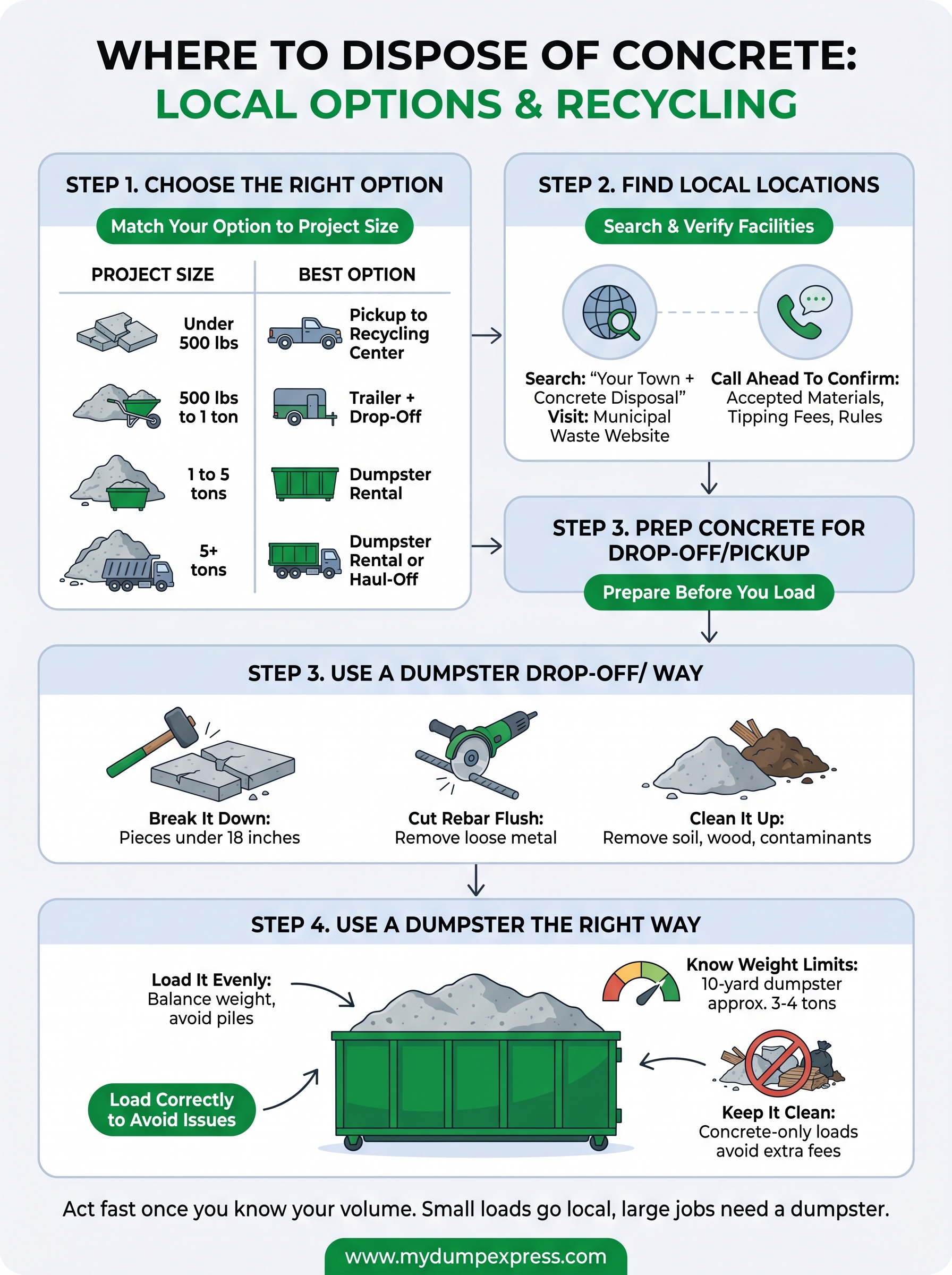
Your project size should drive your decision. Small jobs under 500 pounds (think: one or two broken slabs) give you the flexibility to load a pickup truck and drive to a local recycling center or transfer station. Larger jobs over a ton make self-hauling impractical, and renting a dumpster or scheduling a haul-off becomes the faster, more cost-effective move.
Use this table to find the right fit:
| Project Size | Best Option |
|---|---|
| Under 500 lbs | Pickup truck to a recycling center |
| 500 lbs to 1 ton | Trailer rental + drop-off facility |
| 1 to 5 tons | Dumpster rental |
| 5+ tons | Dumpster rental or contracted haul-off |
Step 2. Find local drop-off and recycling locations
Once you’ve matched your project size to an option, finding an actual facility is your next move. Most areas have at least one transfer station or concrete recycling yard within a reasonable drive, but their policies and fees vary widely. Always call ahead to confirm they accept concrete, ask about any metal or contamination restrictions, and get their current tipping fee before you load your truck.
How to search for concrete recycling near you
Your fastest starting point is your town’s official public works or solid waste department website, which typically lists accepted materials, facility hours, and current fees. You can also search "[your town] + concrete disposal" or "[your town] + transfer station" to pull up municipal solid waste pages directly. Many county or regional waste authorities maintain searchable databases of accepted materials by facility.
For Cape Cod and Plymouth residents, Dump Express serves 40+ towns and can handle concrete removal directly, which removes the need to find and drive to a facility yourself.
What to ask before you go
Call the facility and confirm what materials they accept, whether rebar or mixed debris is allowed, and what the tipping fee is per ton. That short call saves you a wasted trip and prevents a rejected load at the gate.
Step 3. Prep concrete for drop-off, pickup, or hauling
No matter where to dispose of concrete, proper prep before you load or schedule a pickup makes the process faster and avoids rejection fees at the facility. Most facilities and haulers have basic requirements around size, metal, and contamination that are easy to meet if you handle them before the concrete leaves your property.
Showing up with oversized chunks or protruding rebar is one of the most common reasons loads get rejected or charged extra at concrete recycling yards.
Break it down and clean it up
Large slabs or footings need to be broken into manageable pieces, typically under 18 inches in diameter, using a sledgehammer, jackhammer, or rented concrete breaker. Smaller chunks load faster, reduce weight per piece for manual handling, and meet most facility requirements without extra work on their end.
Pull out or cut rebar flush with bolt cutters or an angle grinder before loading. Remove any wood, dirt, or loose soil mixed into the pile, since contaminated loads get rejected or charged at a higher rate at most transfer stations and recycling yards. Keeping your pile clean and consistent speeds up every step that follows, whether that’s loading it yourself, having it picked up, or tossing it into a rental dumpster.
Step 4. Use a dumpster for concrete the right way
A dumpster is often the most practical answer to where to dispose of concrete when your project generates more material than a pickup truck can handle. But concrete is one of the heaviest materials you can put in a container, so loading it correctly prevents overweight fees and ensures the facility accepts the load.
Load it evenly and know your weight limits
Spread concrete evenly across the bottom of the container rather than piling it in one spot. This keeps the load balanced during transport and reduces stress on the container walls. Most 10-yard dumpsters handle roughly 3 to 4 tons of concrete before hitting weight limits, so check with your rental company if you’re close to capacity before adding more material.
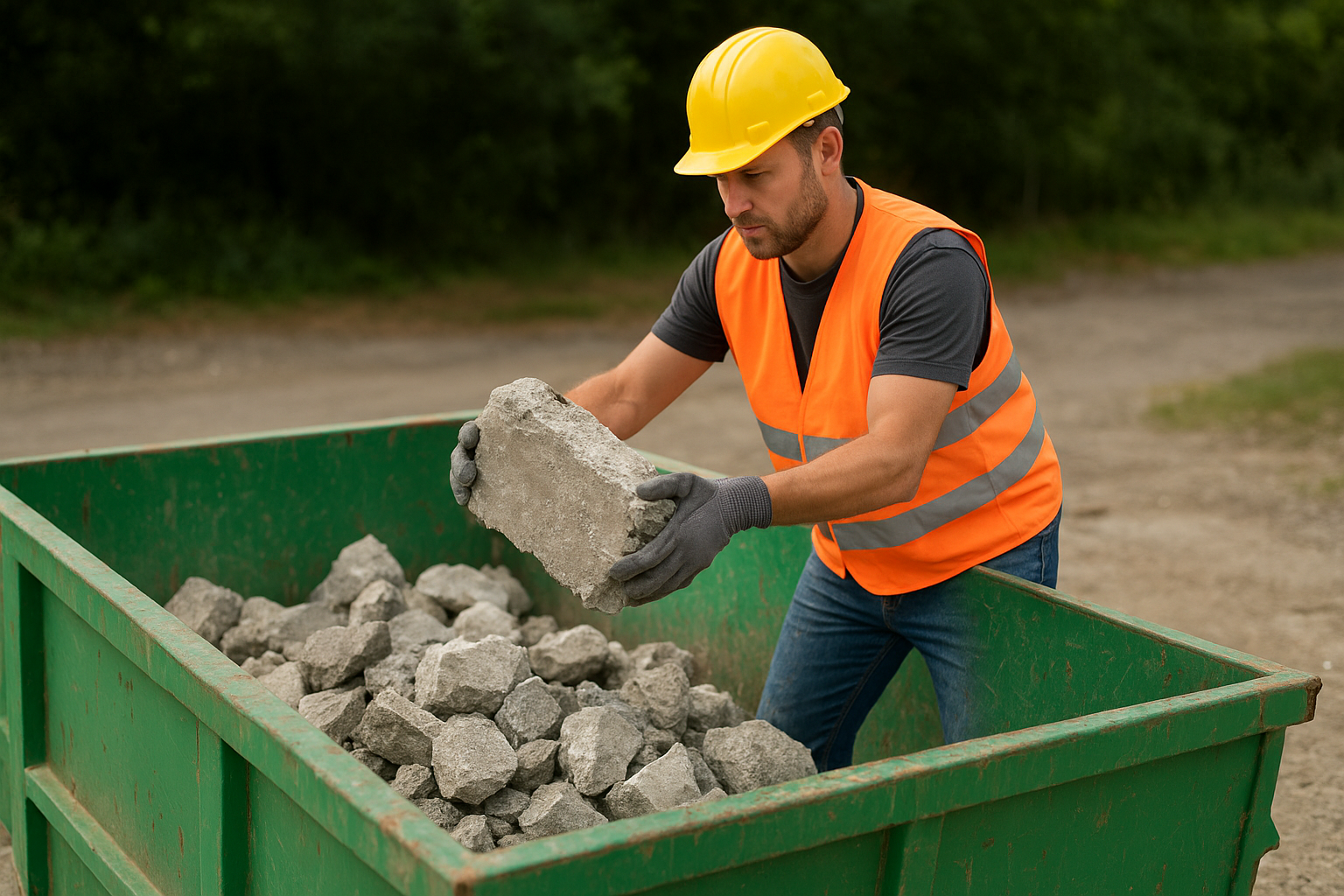
Never mix concrete with soil, asphalt, or general trash in the same dumpster; mixed loads often trigger surcharges or get rejected at the recycling facility.
Keep the load clean and concrete-only
Keeping your dumpster load as clean as possible means sticking to concrete and masonry only. Mixing in wood scraps, drywall, or insulation shifts the load into a general debris category, which costs more to dispose of and may disqualify your concrete from being recycled at all.
What to do now
You now have a clear path for where to dispose of concrete, no matter how much you have or what your timeline looks like. Start by checking your pile for rebar, contamination, and overall volume, since those three factors determine which option actually fits your project. Small loads go to a local transfer station or recycling yard; larger jobs call for a dumpster.
Once you know your volume, move fast. Concrete sitting in a driveway or yard creates a real obstacle, and most projects have follow-up work waiting on debris removal. If you’re in Cape Cod or Plymouth and want someone to handle pickup without the back-and-forth of tracking down a facility yourself, a dumpster rental is your most direct option. Book a dumpster with Dump Express and get same-day or next-day delivery to your site, with clear pricing upfront and no surprise fees when the truck arrives.