
Every renovation or teardown job hits the same wall: what do you do with the debris. Drywall, lumber, shingles, and old fixtures pile up fast, and a construction debris dumpster rental is the only practical way to keep a job site clear and on schedule. If you’ve never rented one before, the sizing charts and pricing pages on most company websites raise more questions than they answer.
This guide gives it to you straight. You’ll get a clear breakdown of dumpster sizes, from small 5-yard containers for a bathroom gut job to 20-yard units for a full home renovation, plus realistic cost ranges so you’re not blindsided by a quote. We also cover what actually drives the price up, like overage fees and prohibited materials, so you can budget accurately before you book.
Whether you’re a homeowner tackling a first renovation or a contractor juggling multiple job sites across Cape Cod and Plymouth, you need straightforward answers, not a sales pitch. We’ll walk through how to match dumpster size to project type, what affects delivery timing, and the questions worth asking any provider before you sign a rental agreement.
Why the right dumpster choice matters for your project
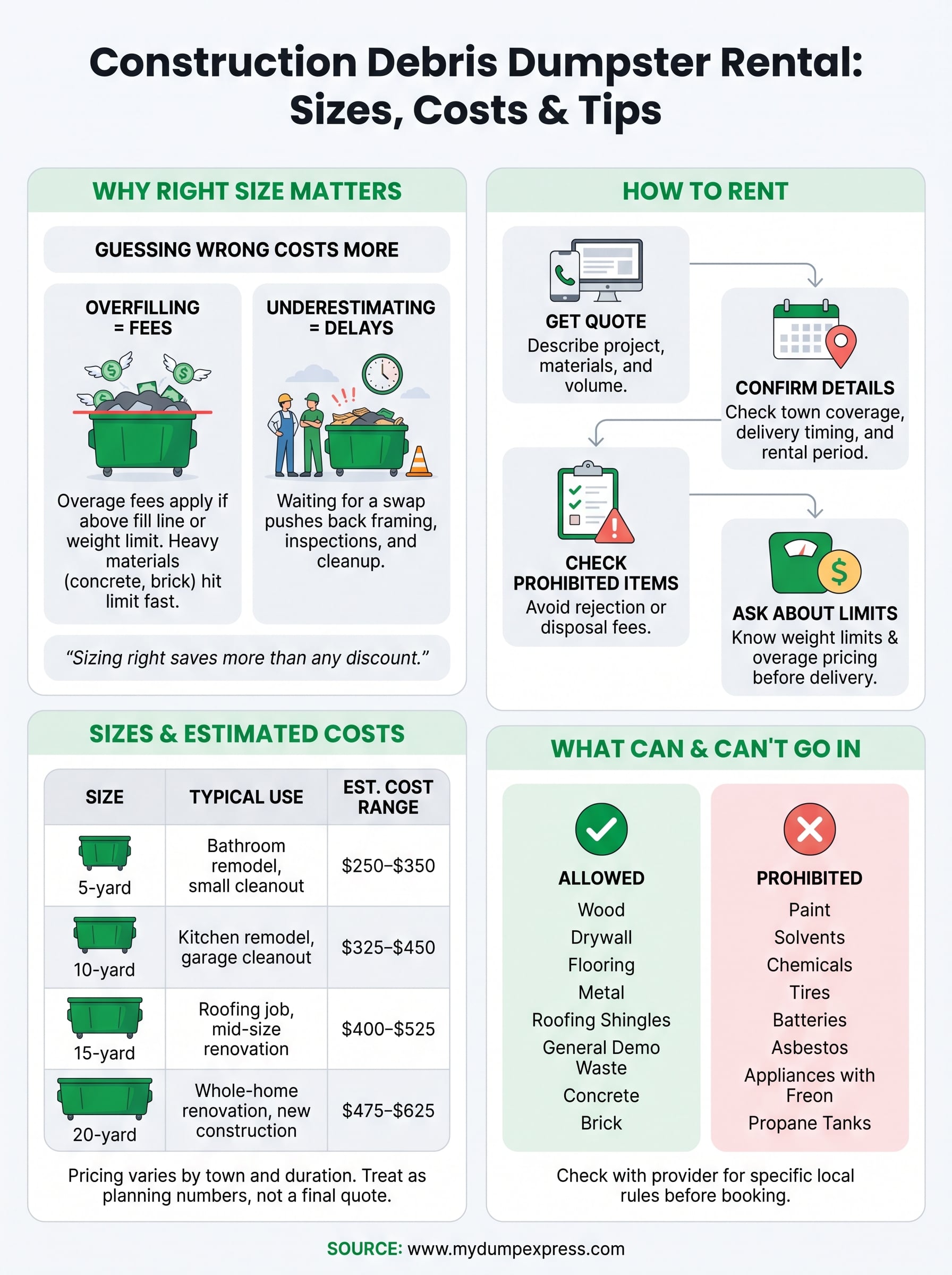
Getting the size wrong on a construction debris dumpster rental costs you twice: once when you overpay for capacity you didn’t need, and again when you underestimate and have to order a second haul mid-project. Contractors juggling tight schedules feel this the hardest, because a stalled dumpster swap can push back framing, inspections, or cleanup by a full day. Homeowners feel it in the wallet, since most providers charge a flat rate for the container regardless of how full it comes back, so a 20-yard dumpster half-loaded with kitchen demo debris is money left on the table.
The real cost of guessing wrong
Overfilling is the more common mistake, and it’s the one that triggers extra fees fast. Every dumpster has a fill line, and debris piled above the container walls, or a load that pushes the truck over its weight limit, usually means an overage fee on top of your rental price. Heavy materials like concrete, brick, and roofing shingles are the usual culprits here, since they hit the weight cap long before the container looks full.
Sizing a dumpster right the first time saves more money than any discount a provider can offer you.
Underestimating causes a different headache. You finish demo day, the 10-yard container is packed to the brim, and now you’re waiting on a swap or a second unit before work can resume. On a job site with a crew standing around waiting for space to clear, that delay is expensive in ways that never show up on the dumpster invoice.
What sizing mistakes actually look like
A few patterns show up again and again on residential and commercial jobs alike:
- Bathroom or kitchen remodels ordering a 20-yard when a 10-yard would’ve handled the tile, cabinets, and fixtures with room to spare
- Roofing jobs underestimating weight because shingles look light until they’re stacked by the ton
- Whole-home renovations ordering one dumpster for the entire project instead of scheduling a swap partway through
- Small cleanouts paying for commercial-size capacity out of caution, when a 5-yard container would’ve done the job
A provider with local experience can walk you through these scenarios before you book, which is exactly why sizing guidance matters more than the sticker price on any single container.
How to rent a construction debris dumpster
Renting a construction debris dumpster is simpler than most first-time renters expect, as long as you handle a few details up front. Start by nailing down your project type and rough debris volume, since that determines which size you actually need. Local providers ask about the project before quoting a price, because a bathroom gut job and a full home teardown call for very different containers.
Steps to book with confidence
Most rentals follow the same basic sequence, whether you’re a homeowner or a contractor managing a job site:
- Call or request a quote online and describe the project, materials, and estimated debris volume
- Confirm your town is covered and ask about delivery timing, since same-day drop-off is available in many Cape Cod towns
- Check the prohibited items list so you don’t get hit with rejection or disposal fees later
- Get the rental period in writing, including how many days you have before pickup
- Ask about weight limits and overage pricing before the container arrives, not after
The best time to ask about pricing details is before delivery, not when the invoice arrives.
Placement matters more than most people think. Your driveway needs to hold the truck’s weight and give it room to maneuver, and some towns require permits if a dumpster sits on a street or right-of-way. A provider with local Cape Cod knowledge will flag these issues during booking instead of leaving you to discover them when the truck shows up and can’t get positioned where you planned.
Dumpster sizes and costs for construction debris
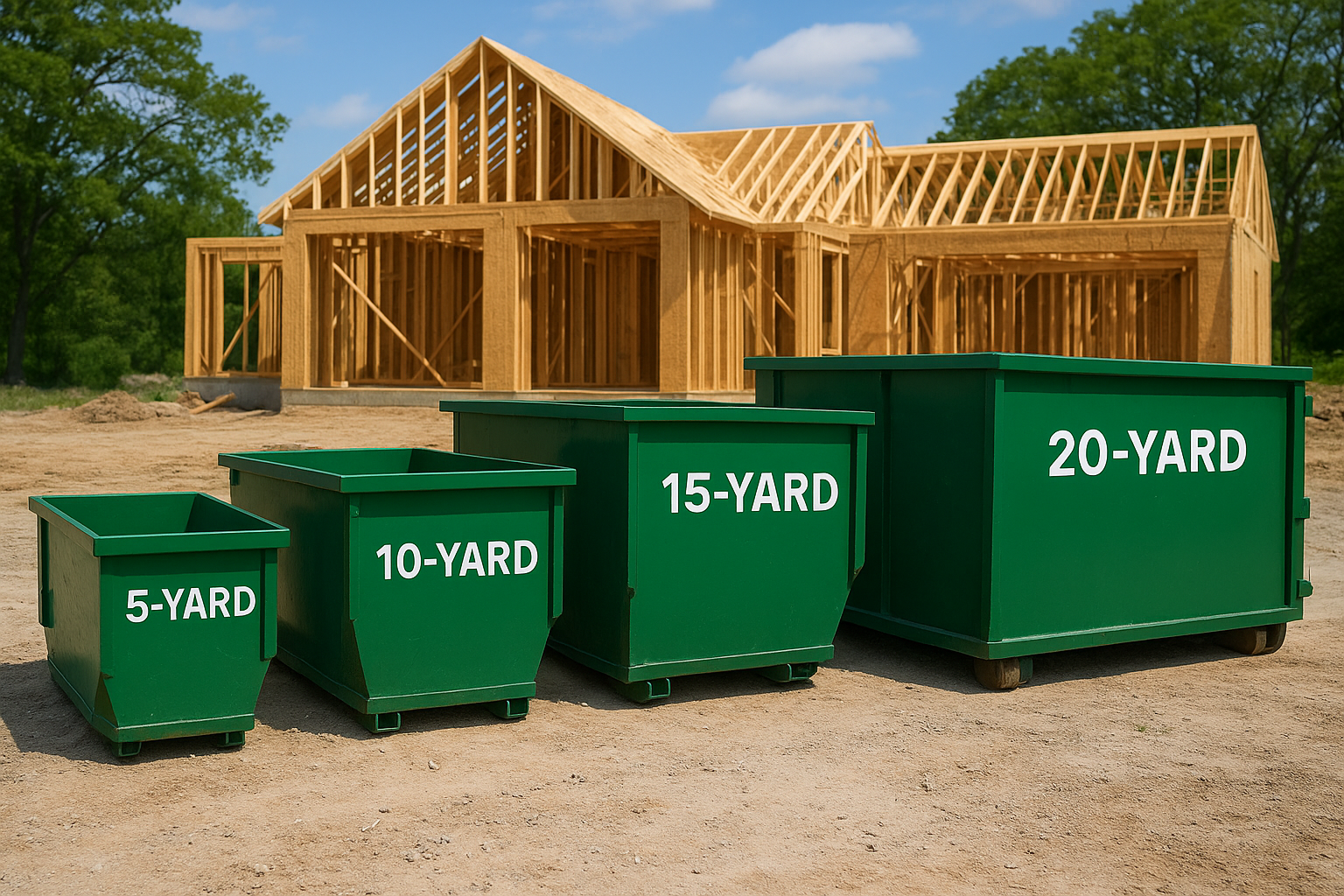
Matching your dumpster size to the actual scope of debris keeps your project on budget and off the phone with a provider for a second haul. Four container sizes cover nearly every residential and commercial job on Cape Cod, and each one fits a fairly predictable range of projects once you know what to look for.
A quick sizing reference
Use this table as a starting point, then confirm with your provider based on material type and weight.
| Size | Typical Use | Estimated Cost Range |
|---|---|---|
| 5-yard | Bathroom remodel, small cleanout | $250–$350 |
| 10-yard | Kitchen remodel, garage cleanout | $325–$450 |
| 15-yard | Roofing job, mid-size renovation | $400–$525 |
| 20-yard | Whole-home renovation, new construction | $475–$625 |
Pricing varies by town, disposal facility distance, and how many yard locations a provider has nearby, so treat these as planning numbers rather than a final quote.
What actually moves the price
Weight is the factor that surprises most first-time renters. Concrete, roofing shingles, and brick add up fast, and most rentals include a set weight allowance before overage charges apply. Rental duration matters too. A container sitting on-site for three weeks instead of one costs more with some providers, though flat-rate rental periods are common with local companies that skip the daily rental clock.
The cheapest dumpster on paper isn’t the cheapest one if it’s the wrong size for your debris.
Contractors managing multiple sites should also factor in delivery speed. A provider with several yard locations across Cape Cod and Plymouth turns around swaps faster than one hauling from a single central lot, which keeps a stalled job moving instead of waiting on a truck.
What can and can’t go in your dumpster
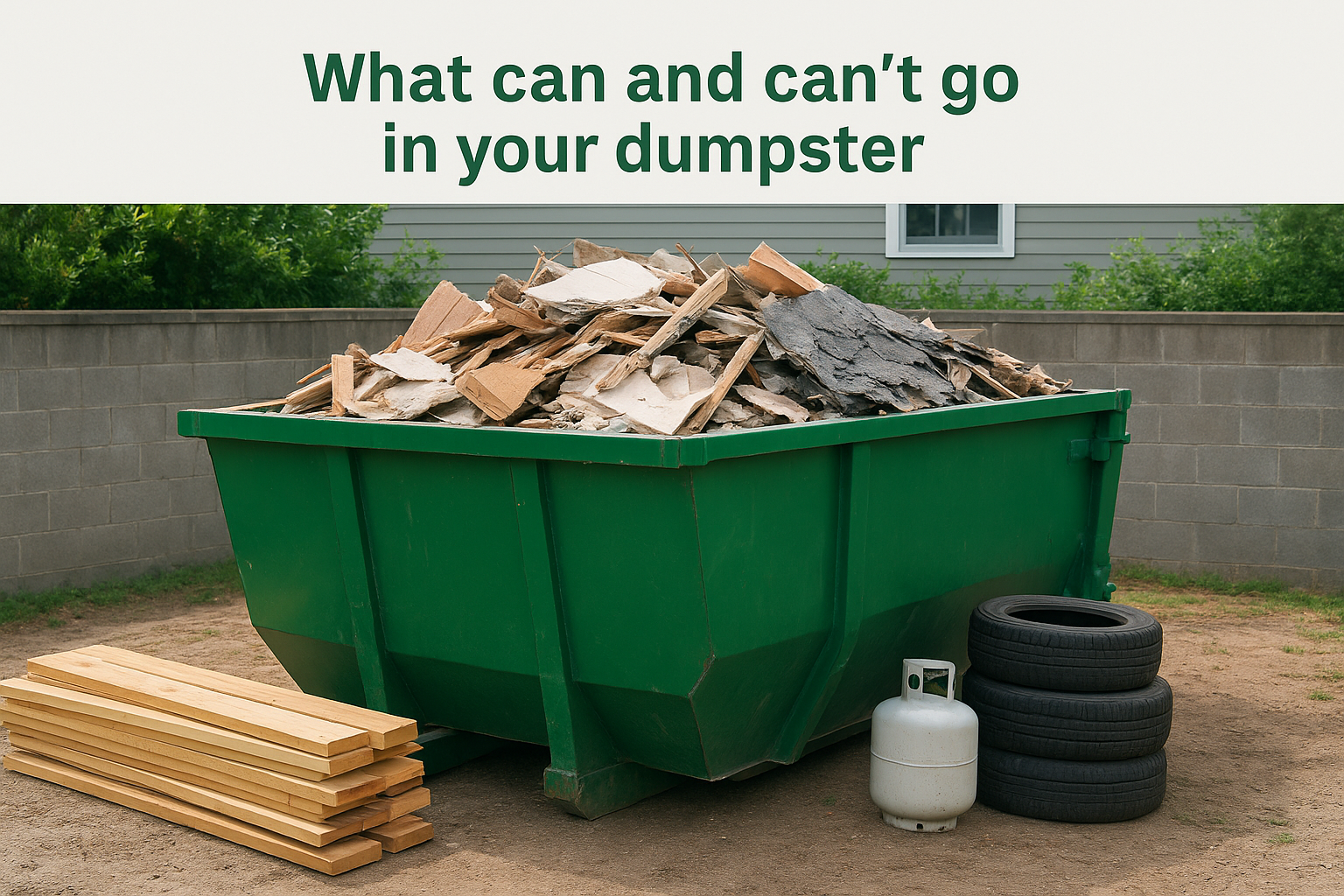
Most construction debris fits without a problem: wood, drywall, flooring, metal, roofing shingles, and general demo waste all go straight into a standard construction debris dumpster rental. Concrete, brick, and asphalt are usually allowed too, but they count against your weight limit fast, so flag these when you book so your provider sizes the container correctly and warns you about potential overage charges upfront.
Materials that get rejected or fined
Certain items trigger rejection at the disposal facility or a hazardous materials fee tacked onto your invoice. Knowing this list before delivery day saves you a scramble to find alternate disposal at the last minute.
- Paint, solvents, and chemicals, which need separate hazardous waste disposal
- Tires and batteries, typically banned from standard construction loads
- Asbestos-containing materials, common in older Cape Cod homes and requiring specialized abatement
- Refrigerators, air conditioners, and other Freon-containing appliances
- Propane tanks and other pressurized containers
A single prohibited item can turn a simple pickup into a rejected load and an unplanned second trip.
Why this list matters more on older properties
Cape Cod’s housing stock skews older, and renovation jobs on these properties run into asbestos and lead paint more often than newer builds elsewhere. The Environmental Protection Agency maintains guidance on identifying and handling asbestos safely during renovation work, and it’s worth a quick read before demo starts on any pre-1980s home. Contractors already know to test suspect materials before disturbing them, but homeowners tackling a first renovation often skip this step and pay for it later, both in fines and in delays. Asking your provider for their prohibited items list before delivery, not after, keeps your project moving and your invoice free of surprises.
Planning your next debris removal
Getting a construction debris dumpster rental right comes down to three things: matching the size to your actual debris, knowing what’s allowed before delivery day, and working with a provider who understands your town’s rules. Skip any of those steps and you risk overage fees, rejected loads, or a stalled job site waiting on a second haul. None of that is complicated once you know what to ask, but it does matter which company you ask.
Cape Cod and Plymouth homeowners and contractors have relied on local expertise for these calls for over 20 years, and that kind of experience is what keeps a rental from turning into a headache. If you’re ready to size your next project correctly and skip the guesswork, get a transparent quote from Dump Express and talk to a team that actually knows your town’s requirements before the truck shows up.