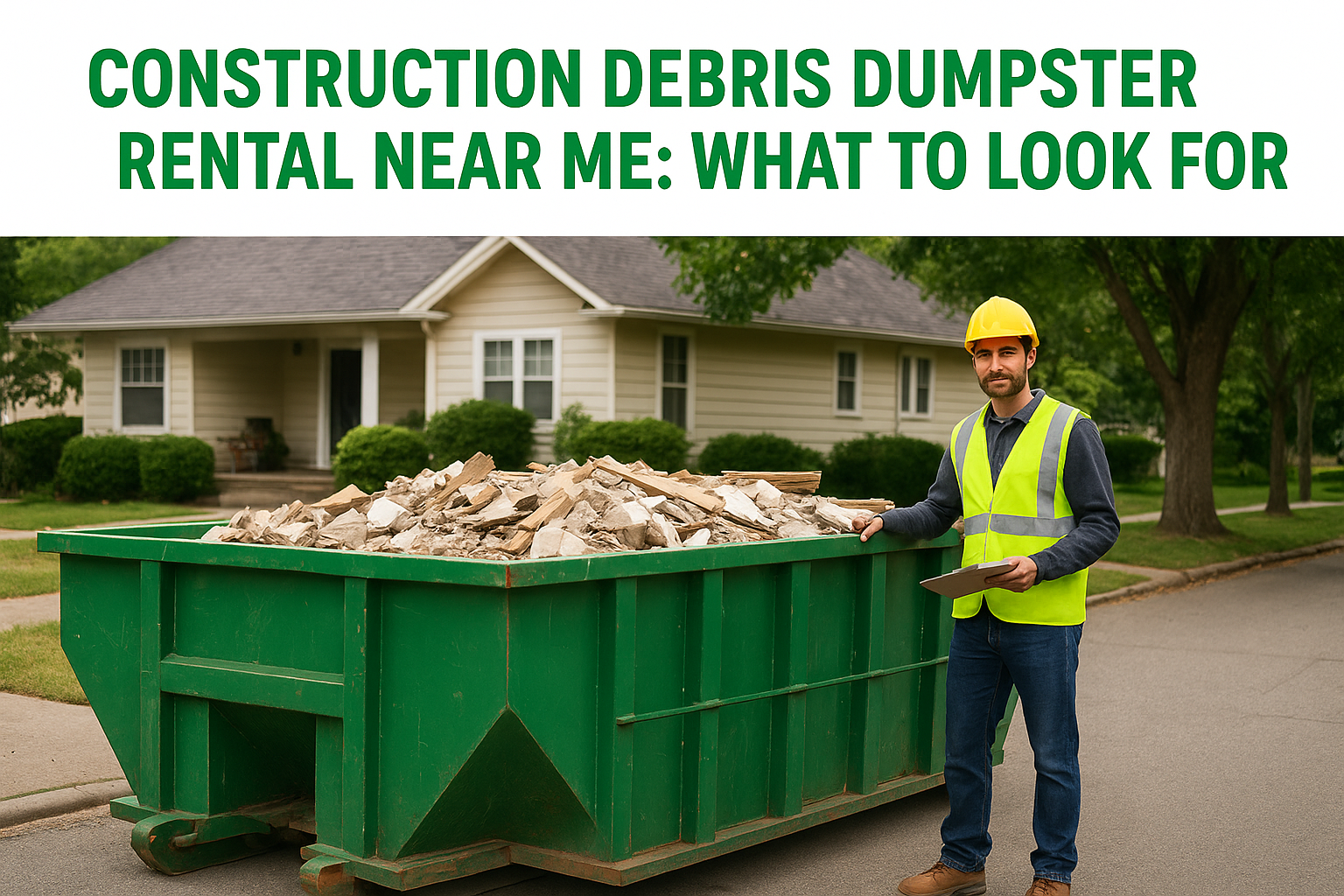
You searched construction debris dumpster rental near me because you need a container on your job site this week, not a sales pitch or a call center reading from a script. Maybe you’re a contractor juggling three sites across Cape Cod, or a homeowner tackling a renovation that’s generating way more debris than you expected. Either way, you need a straight answer about size, price, and pickup timing before you commit.
The right dumpster rental for construction debris comes down to a handful of factors: accurate sizing for your specific debris type, local delivery speed, honest pricing that accounts for weight and material restrictions, and a company that actually shows up when scheduled. Construction debris behaves differently than household junk. Shingles, concrete, and lumber weigh more and fill space differently, which changes what size container you actually need.
This article walks through exactly what to check before you book, from sizing your load correctly to spotting hidden fees in a rental agreement, so you can pick a provider near you with confidence instead of guesswork.
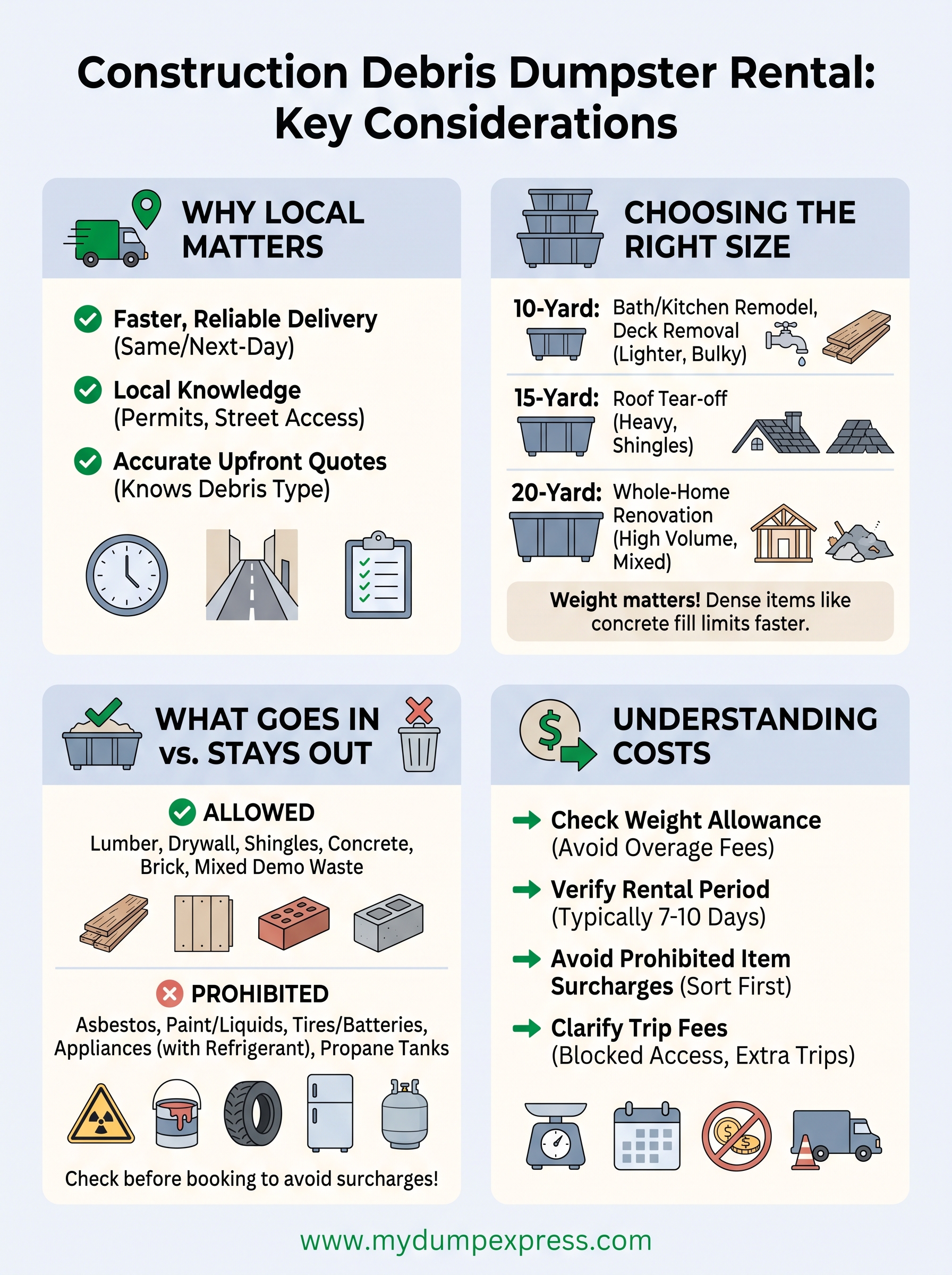
Why choosing the right local dumpster rental matters
Local matters more than most people realize when you’re hunting for a construction debris dumpster rental near me. A national call center booking service doesn’t know that a specific Cape Cod side street can’t fit a 20-yard truck, or that a particular town requires a permit for curbside placement. A local operator does. That knowledge saves you from delivery delays, blocked driveways, and awkward calls where the driver shows up and can’t complete the drop.
Speed is the other half of the equation. Construction schedules run tight, and a dumpster that arrives two days late can stall a whole crew. Companies with multiple yard locations near your job site can typically turn around a delivery same-day or next-day, while regional brokers dispatching from hours away often quote a window measured in days. That gap costs you real money in idle labor and missed deadlines.
A dumpster that shows up late doesn’t just cost you time, it costs you every hour your crew stands around waiting for it.
Reliability also protects your bottom line in ways that aren’t obvious until you’ve been burned once. A provider unfamiliar with your area might underquote a job because they don’t know the debris mix common to older Cape Cod homes, like plaster and lath in renovation tear-outs, then hit you with surcharges after delivery. Local companies that have hauled debris from the same neighborhoods for years price more accurately upfront because they’ve seen the pattern before.
Finally, local expertise extends to regulations. Every town on Cape Cod and in the Plymouth area has its own rules about where a dumpster can sit, how long it can stay, and what disposal facilities will accept. A company with 20-plus years working these towns has already solved these problems for other customers. You’re not the test case. That track record is worth more than a slightly lower quote from a company that’s never worked your street before.
How to find and book construction debris dumpster rental near you
Start with a search that includes your town name, not just "near me." Typing construction debris dumpster rental plus your specific Cape Cod town narrows results to companies that actually service your street, instead of a national lead-generation site that resells your info to whoever bids highest.
Vet the company before you call
Check for a few specifics before you pick up the phone. A real local operator will have these details visible without you having to dig:
- Town-specific pricing listed on their site, not a generic quote
- A physical yard location within your region, not a call center address
- Reviews that mention actual towns you recognize
- Clear rental terms including how many days are included
If a company can’t tell you the price for your town before you call, keep looking.
Book with the right information ready
When you do call or fill out a form, have your project type, estimated debris volume, and preferred delivery window ready. Reliable providers will ask about your material mix, concrete versus lumber versus mixed renovation debris, because that changes both size recommendation and price. Booking two to three days ahead gives you the best shot at your exact preferred delivery time, though many Cape Cod providers offer same-day delivery when your schedule gets tight.
Choosing the right dumpster size for your construction project
Construction debris fills a dumpster differently than household junk, so guessing at size costs you real money. Order too small and you’re paying for a second haul. Order too big and you’re paying for space you never used. Weight matters as much as volume here: concrete, shingles, and drywall pack dense, so a container can hit its weight limit long before it looks full.
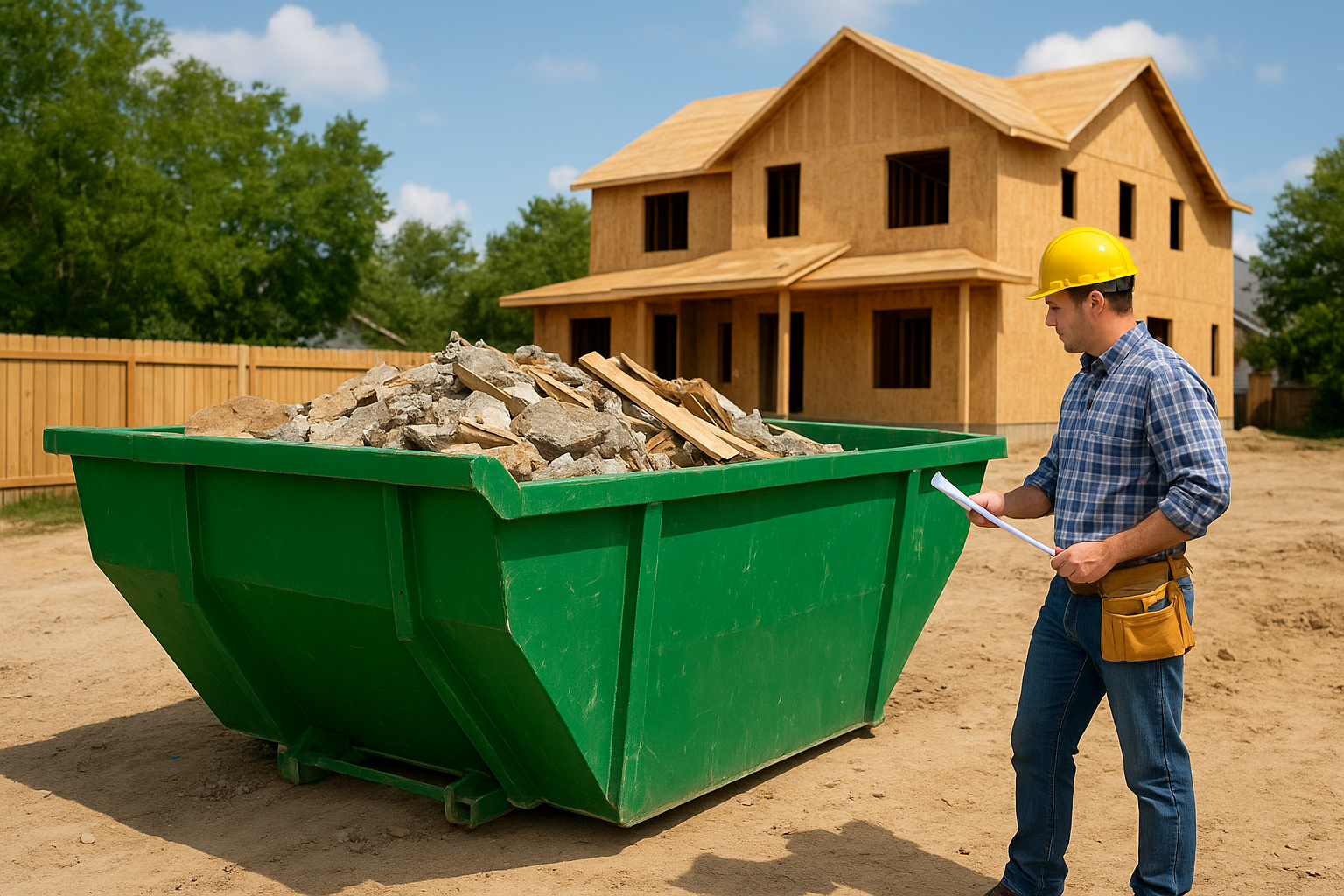
Get the size wrong once, and you’ll pay for it twice, in an extra haul or an overweight fee.
Matching size to project type
Here’s a rough guide based on what typical Cape Cod projects generate:
| Project Type | Recommended Size | Why |
|---|---|---|
| Bathroom or small kitchen remodel | 10-yard | Moderate debris, manageable weight |
| Roof tear-off (up to 2,000 sq ft) | 15-yard | Shingles are heavy, volume moderate |
| Whole-home renovation | 20-yard | High volume, mixed materials |
| Deck or fence removal | 10-yard | Bulky but lighter material |
Ask before you order
A good local provider won’t just take your order, they’ll ask questions first. Expect them to ask about your specific debris mix, since concrete and shingles need different handling than lumber and drywall. Providers who skip this step are guessing, and you’re the one who pays when that guess is wrong.
What construction debris you can and can’t dispose of
Most renovation and job site debris loads fine into a standard dumpster: lumber, drywall, shingles, concrete, brick, and mixed demolition waste all go in without issue. This is the bulk of what a typical Cape Cod remodel or tear-off generates, and it’s exactly what these containers are built to haul. Yard waste and packaging from a construction site usually rides along too, as long as it’s mixed with the rest of the load rather than filling the whole container on its own.
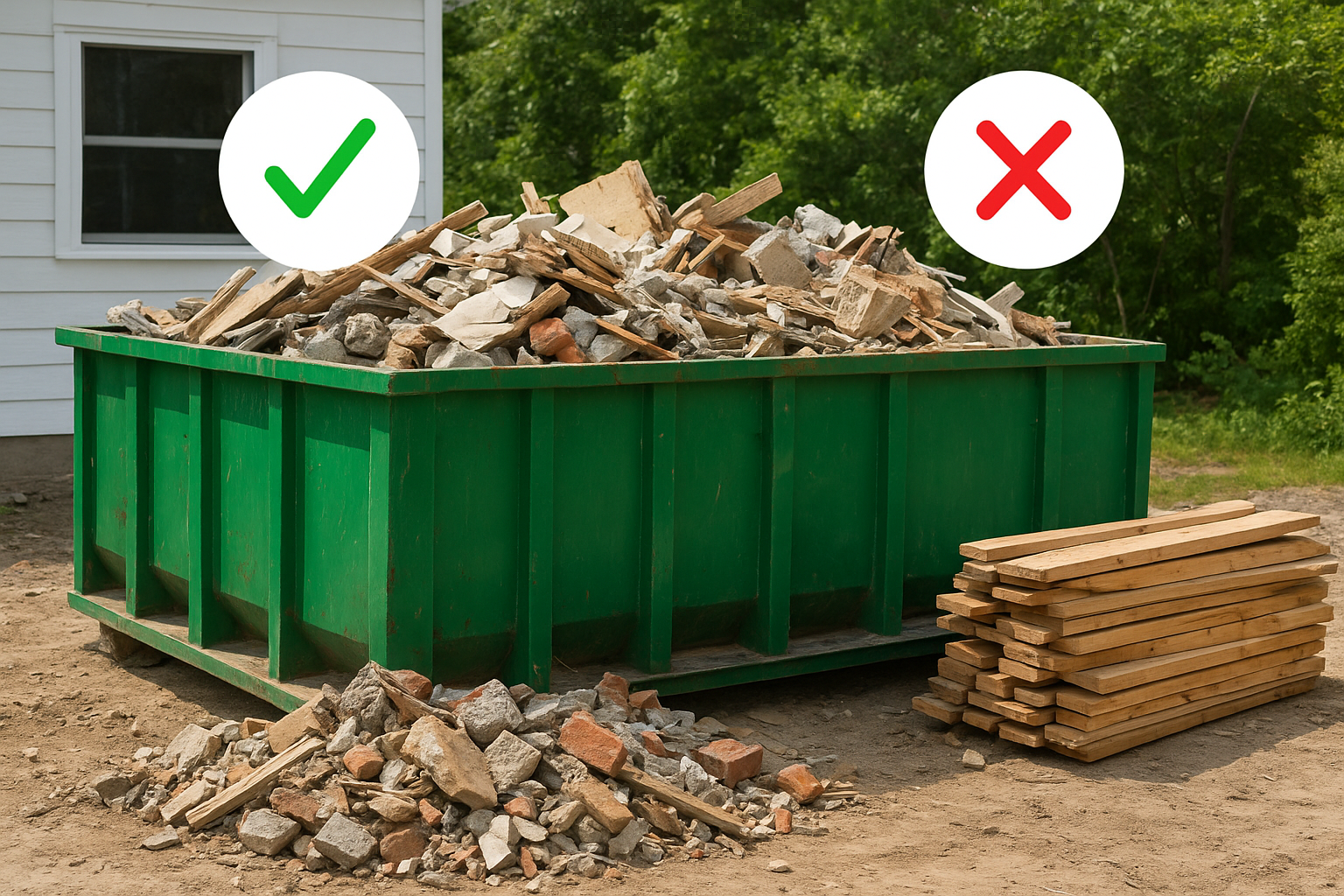
Know what’s banned before delivery day, because sorting it out after the truck arrives costs you time and money.
Items that need special handling
A handful of materials either can’t go in a standard dumpster or trigger extra fees when they show up mixed in:
- Asbestos-containing material, including old insulation and certain tile adhesives, requires certified abatement disposal
- Paint, solvents, and other liquids, which most facilities reject outright
- Tires and batteries, which need separate recycling streams
- Refrigerators and appliances with refrigerant, which require special handling under EPA rules
- Propane tanks and other pressurized containers, which pose safety risks in a compactor
Check with your provider before your project starts if you suspect any of these on-site, particularly on older Cape Cod homes where asbestos and lead paint show up more often than newer construction. A quick phone call here saves you a surcharge or a rejected load later, and a local company that’s seen these situations before can tell you exactly what facility handles the exception.
Understanding dumpster rental costs and avoiding hidden fees
A quoted price only means something if it holds up after delivery. Construction debris dumpster rental near me searches often turn up rock-bottom numbers that balloon once weight fees, extended rental days, and disposal surcharges get added at pickup. The base rental fee should cover the container, delivery, pickup, and a set weight allowance, and any honest provider will spell out exactly what that allowance is before you sign anything.
A low quote that hides the weight limit isn’t a deal, it’s a bill you haven’t seen yet.
Line items to check before you book
Ask about these specifically, since they’re where hidden fees usually hide:
- Weight allowance included in the base price, and the per-ton overage rate
- Rental period length, typically 7 to 10 days, and the daily fee for extra time
- Prohibited item surcharges for anything found in the load after pickup
- Trip fees for blocked access or a second delivery attempt
Why local pricing runs more accurately
Companies that post town-specific pricing upfront, rather than a single flat rate for an entire region, tend to price closer to what you’ll actually pay. They know the typical debris mix for your town and size the weight allowance accordingly. That transparency is worth more than a slightly lower teaser price from a provider guessing at your project.
Getting your project cleanup started
Finding the right construction debris dumpster rental near me comes down to four things: a local company that knows your town, accurate sizing for your specific debris mix, honest pricing with no surprise fees, and a delivery schedule that actually holds. Skip any one of these and you risk a stalled job site or a bill that’s bigger than the quote you got on the phone.
Cape Cod and Plymouth projects come with their own quirks, tight side streets, older homes with hidden hazards, town-specific permit rules, and a local provider who’s hauled from your neighborhood before will save you time and money on all of it. You don’t need to guess your way through this.
If you’re ready to get a dumpster on-site this week, get a free quote from Dump Express and talk to a local team that’s been solving these problems for over 20 years.