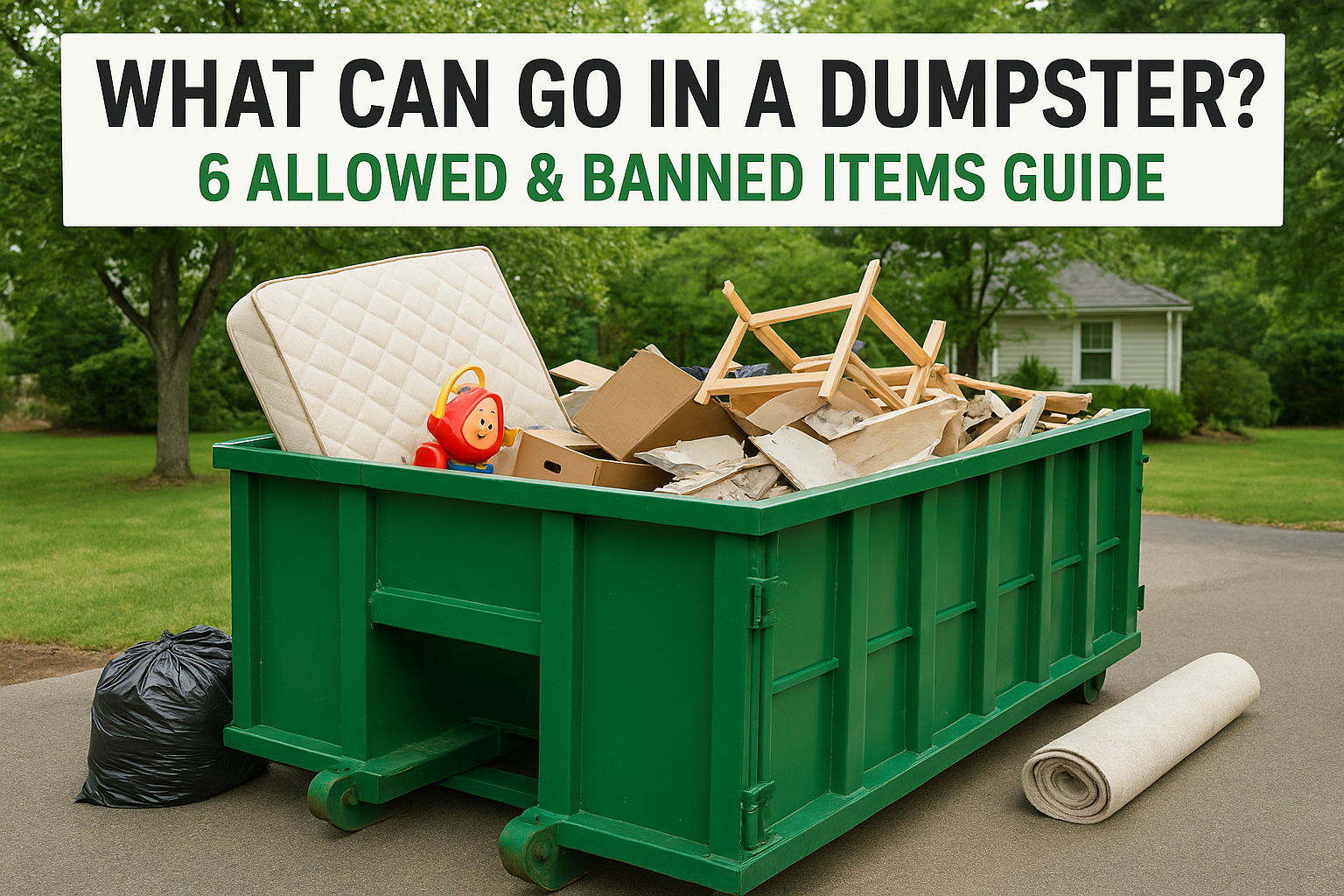
You rented a dumpster, it’s sitting in your driveway, and now you’re staring at a pile of junk wondering what can go in a dumpster and what’ll get you a call from the rental company. It’s a fair question, and one that most people don’t think about until they’re mid-project with a mattress in one hand and a can of old paint in the other. Tossing the wrong items can lead to extra fees, rejected loads, or even fines from your local disposal facility.
At Dump Express, we’ve been delivering dumpsters across Cape Cod and Plymouth for over 20 years. In that time, we’ve seen just about everything end up in our containers, some of it allowed, some of it definitely not. We built this guide to give you a straight answer before you start loading.
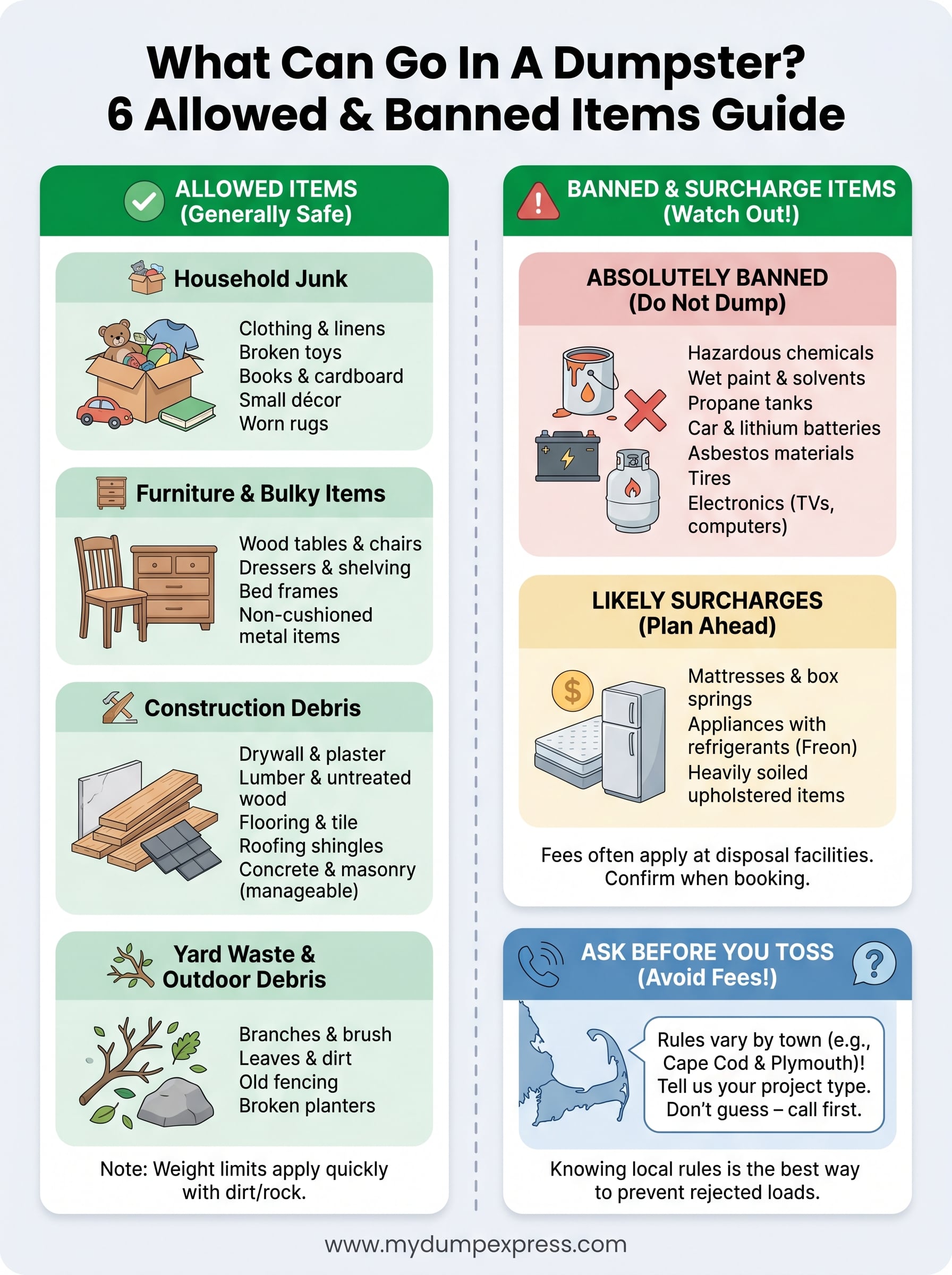
Below, you’ll find a clear breakdown of six categories of commonly allowed items and the materials that are banned from most rental dumpsters. We’ll explain why certain things are restricted, what happens if prohibited items end up in your container, and how to handle the tricky stuff so your project stays on track and on budget.
1. Confirm what’s allowed with Dump Express in your town
Before you start loading, it’s worth knowing that what can go in a dumpster depends partly on where you live. Different towns on Cape Cod and in the Plymouth area have their own rules around waste disposal, and the facilities we use follow specific guidelines about what they’ll accept at the gate.
What this covers for Cape Cod and Plymouth rentals
Dump Express serves 40+ towns across Cape Cod and the Plymouth area, including Barnstable, Falmouth, Sandwich, Yarmouth, Dennis, Harwich, Chatham, Orleans, Eastham, Wellfleet, Truro, Provincetown, and Plymouth. Each of those towns may have slightly different requirements around yard waste, recyclables, and special materials. What your neighbor in Falmouth can toss might get flagged at a Chatham disposal facility, so location matters more than people expect.
Knowing your town’s specific rules before you load anything is the single easiest way to avoid rejected hauls and unexpected charges.
What you should tell us before we deliver
When you book with Dump Express, tell us what type of project you’re running. A full-gut bathroom renovation generates different waste than a garage cleanout or a seasonal yard cleanup. Giving us that detail upfront means we can flag any material restrictions specific to your town before the dumpster lands in your driveway.
Share the following when you call or book:
- Project type (renovation, cleanout, landscaping, construction)
- Any materials you’re unsure about
- Whether you have large items like mattresses, appliances, or electronics
- Any potentially hazardous materials you’ve come across during the cleanup
Common “surprise” items that trigger extra handling
Some items catch people off guard because they look like normal junk but actually require special handling or disposal fees. Mattresses, box springs, tires, and certain appliances carry surcharges at most facilities. Treated or painted wood can also be restricted depending on the facility, since it may not go through standard waste processing.
How to avoid failed pickups and added fees
The easiest way to avoid a problem is to ask before you toss. If you’re not sure whether something belongs in the container, contact us directly. A quick question saves you the cost of a rejected load fee, which gets charged when prohibited items are discovered during pickup or at the disposal facility.
2. Household junk and everyday clutter
Household junk makes up the majority of what you’ll load during a typical cleanout or move. Most everyday clutter is perfectly acceptable for disposal, and knowing what belongs in this category keeps you moving without second-guessing every item you pick up.
What counts as household junk
This category covers any non-hazardous waste that builds up in your home over time. Broken shelving, worn rugs, old toys, clothes, and general accumulated clutter from closets, attics, or garages all qualify.
What you can usually toss
Most non-hazardous items from inside your home are acceptable for disposal. Common examples include:
- Clothing and linens (bagged)
- Broken toys and small sporting equipment
- Books, magazines, and cardboard
- Small décor, picture frames, and knickknacks
- Worn floor rugs and carpet scraps
What people assume is fine but isn’t
Knowing what can go in a dumpster means catching items that look harmless but actually aren’t. Smoke detectors contain trace amounts of radioactive material, CFL bulbs hold mercury, and containers that once held chemicals still count as hazardous even when empty.
Set these problem items aside before you start loading so they don’t trigger a rejected haul.
How to bag, bundle, and load to save space
Break down cardboard boxes and bundle loose items before loading to maximize space in your container. Place heavier items at the bottom and fill air gaps with bagged smaller pieces so you get the most out of every cubic yard you’re paying for.
3. Furniture and bulky home items
Clearing out furniture is one of the most common reasons people rent a dumpster, and most bulky home items load in without issue. The key is knowing which pieces require special handling or carry extra fees before you drag them to the curb.
What furniture usually goes in
Standard furniture is generally accepted in a rental dumpster. Wood tables, chairs, dressers, shelving units, desks, and bed frames all fit this category. If the item is solid wood or metal with no cushioning, it almost always goes straight in without any extra conversation.
Mattresses and box springs rules and common fees
Mattresses and box springs are allowed in Dump Express containers, but they come with a surcharge at most disposal facilities. That fee gets passed on to you, so plan for it when budgeting your rental. Double-check when you book so there are no surprises at pickup.
Mattresses take up significant container space, so load them vertically against the side wall if you can to free up room for other items.
Upholstered items and odor or pest concerns
Sofas, cushioned chairs, and fabric-covered ottomans are acceptable to dispose of, but condition matters. Heavily soiled, wet, or pest-infested upholstered items can create problems during transport, and some facilities may flag them for separate handling. If an item smells or shows signs of infestation, let us know before loading.
Donation and recycling options when a landfill won’t take it
Sometimes a facility won’t accept certain furniture, which is part of understanding what can go in a dumpster beyond just the basics. Habitat for Humanity ReStores accept gently used furniture and keep usable pieces out of the landfill entirely, which is worth a quick call before you load anything salvageable.
4. Construction and renovation debris
Construction and renovation projects generate significant amounts of debris, and a roll-off dumpster is one of the most efficient ways to manage that volume. Knowing what can go in a dumpster during a remodel keeps your job site clean and your project timeline on track.
What’s typically allowed from remodels
Most standard building materials from interior and exterior remodels are acceptable for disposal. Common items include:
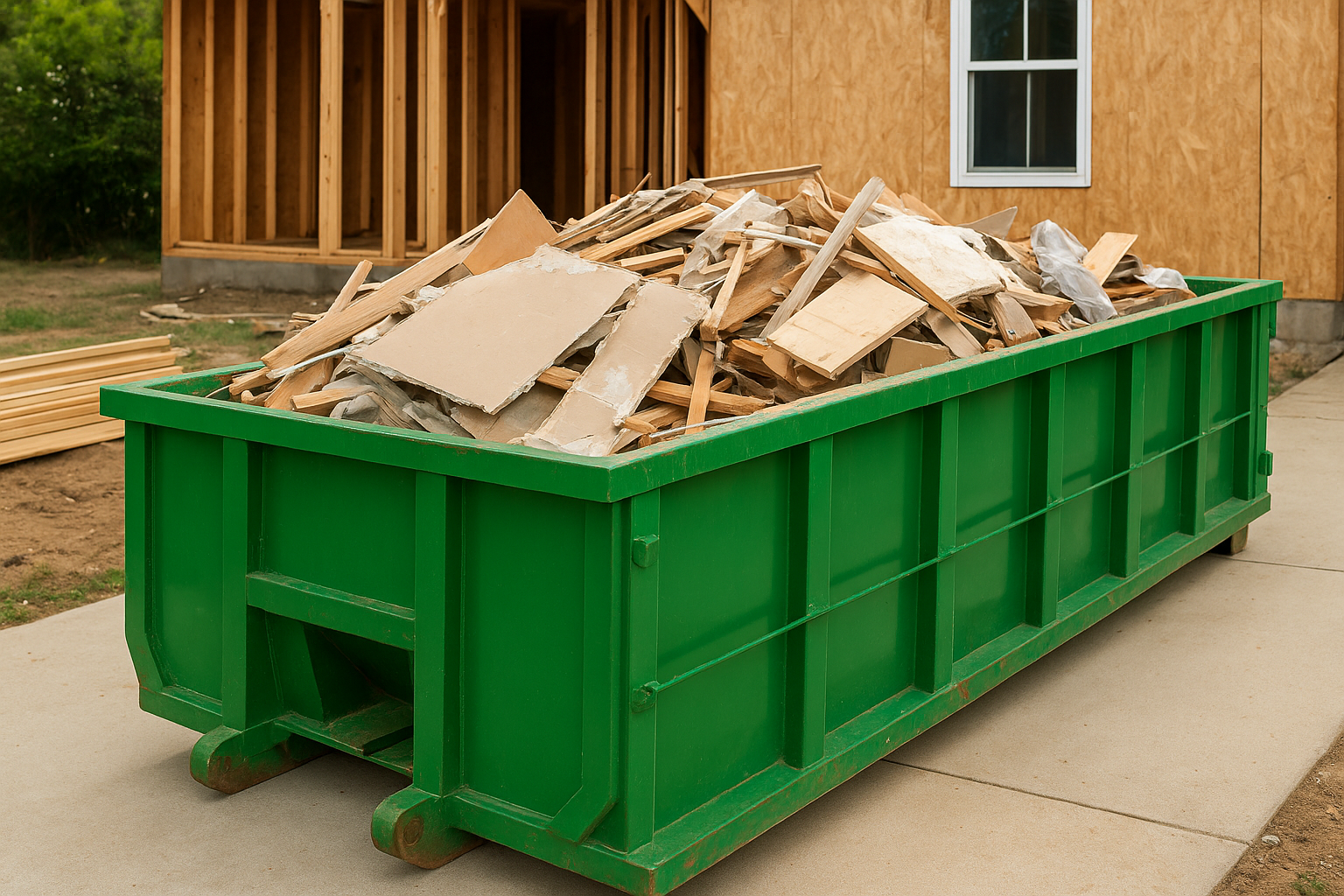
- Drywall and plaster
- Lumber and untreated wood framing
- Flooring (hardwood, laminate, vinyl, and tile)
- Roofing shingles
- Non-asbestos insulation
- Concrete and masonry in manageable quantities
Materials that often cause restrictions
Some materials look like regular debris but create problems at disposal facilities. Treated lumber and pressure-treated boards may be restricted depending on the facility your haul goes to. Asbestos-containing materials, which are common in homes built before 1980, require certified abatement and removal and cannot go into a standard dumpster under any circumstances.
If you’re demoing an older home, have a licensed inspector check for asbestos before loading any insulation, tile, or drywall into the container.
How to keep debris safe for pickup and hauling
Break down large pieces of drywall, lumber, and framing so they lay flat in the container. Loose nails sticking out of boards are a safety hazard for drivers and hauling crews, so knock them down or cut boards to a manageable length before loading.
Weight planning so you don’t overload the dumpster
Concrete, brick, and tile are extremely heavy and add up fast. A 10-yard dumpster hits its weight limit quickly when loaded with dense debris, so ask us about weight limits before your project starts to avoid overage charges.
5. Yard waste and outdoor cleanup debris
Seasonal cleanups, storm damage, and landscaping projects generate a surprising volume of material. Knowing what can go in a dumpster during outdoor work helps you plan your load and avoid any issues at the disposal facility.
What yard debris includes
Yard debris covers organic materials only that accumulate outdoors over time. Common examples include:
- Branches
- Brush
- Leaves
- Grass Clippings
When yard waste can go in the dumpster
Most organic yard waste is acceptable in a “yard waste only” rental dumpster, weight limits apply. Load heavy outdoor materials at the bottom, then layer lighter brush and debris on top to distribute weight evenly.
When towns or facilities require separation
Some Cape Cod towns and disposal facilities require yard waste to be separated from general debris. Organic material like leaves and brush may need to go to a dedicated composting or transfer station rather than a standard waste haul, depending on where your rental is located.
Ask Dump Express about your town’s yard waste rules before mixing organic debris with construction or household waste in the container.
Cleaner alternatives like composting and municipal drop-offs
Municipal composting programs and town transfer stations accept yard waste year-round across most Cape Cod communities. If your project generates large volumes of clean organic material, routing it to a local facility keeps space free in your container for heavier or bulkier items.
6. Prohibited and hazardous materials
Certain items are banned from every rental dumpster, and understanding what can go in a dumpster means knowing these restrictions just as well as the allowed materials. Prohibited items protect drivers, facilities, and the environment, and violating these rules carries real costs.
The non-negotiable “do not dump” list
Some materials face an absolute ban at all disposal facilities. No exceptions exist for the items below regardless of quantity:
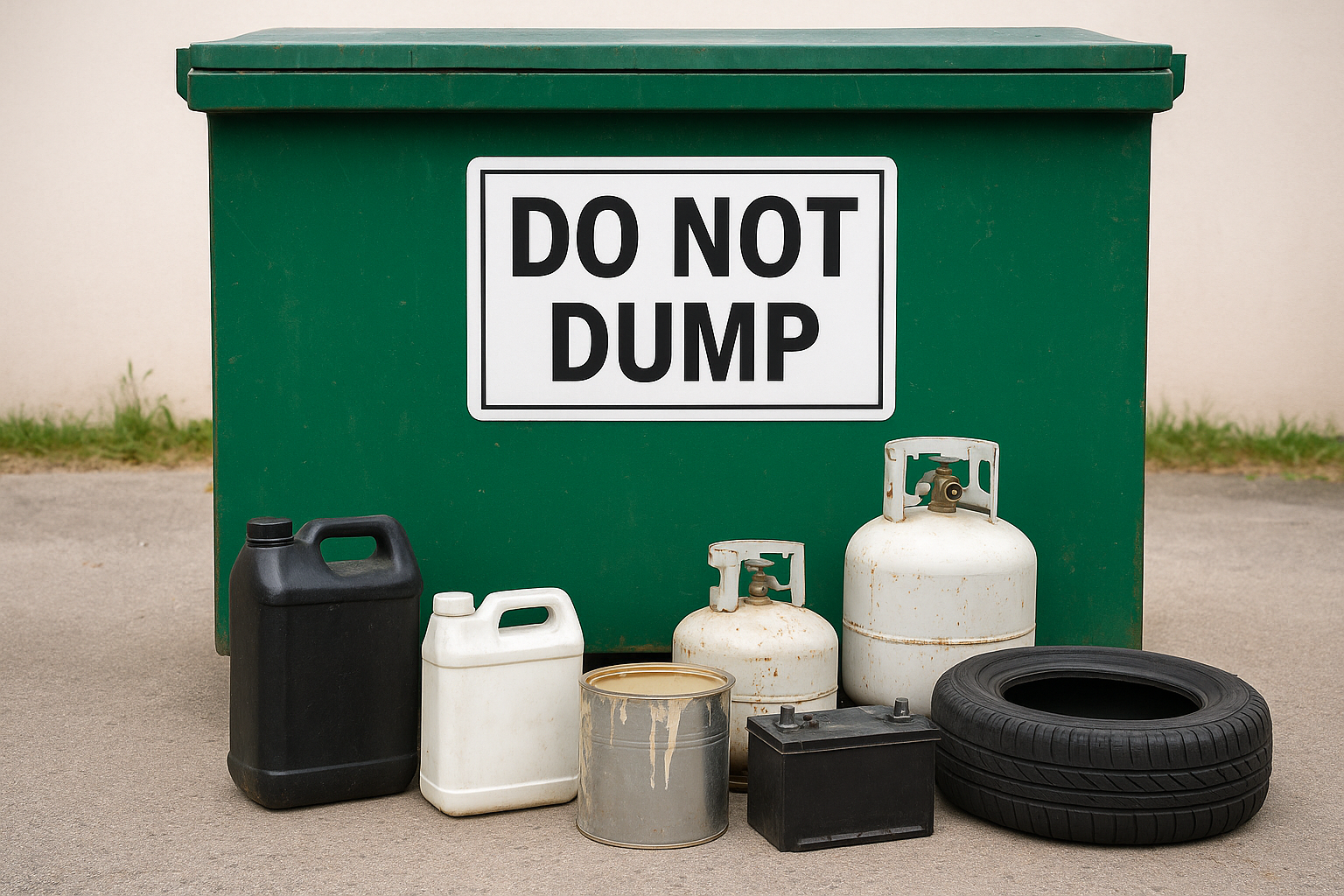
- Hazardous chemicals and medical waste
- Wet paint, stains, and solvents
- Propane tanks and compressed gas cylinders
- Car batteries and lithium batteries
- Tires
- Asbestos-containing materials
Paint, stains, solvents, and other liquids
Liquid waste of any kind does not belong in a dumpster. Even dried latex paint cans may require special handling at some facilities, so check before loading any container that once held paint or chemicals.
Batteries, propane tanks, fuels, and fire risks
Car batteries, lithium batteries, and propane tanks pose serious fire and chemical hazard risks during transport. Your local household hazardous waste program accepts these items safely.
Most Cape Cod towns run seasonal hazardous waste collection events where you can drop off batteries, fuels, and propane tanks at no cost.
Electronics, appliances with refrigerants, and where they should go
Televisions, computers, and refrigerators require separate disposal. Appliances containing refrigerants like freon are regulated under federal law and need certified removal before disposal.
Asbestos, contaminated debris, and what to do instead
Asbestos-containing materials require licensed abatement contractors for removal and disposal. Contaminated soil and chemically treated debris follow the same rule. Contact a certified remediation company before your project starts if you suspect either material is present.
Quick recap and next step
Understanding what can go in a dumpster comes down to one straightforward rule: non-hazardous solid waste is generally acceptable, and anything liquid, flammable, or chemically contaminated is not. Household clutter, furniture, construction debris, and most yard waste load in without problems. Mattresses and appliances may carry surcharges at the disposal facility, so budget for those ahead of time.
Prohibited items, including hazardous chemicals, batteries, propane tanks, and asbestos-containing materials, stay out of the container entirely. Tossing them in creates real costs, from rejected load fees to fines at the disposal gate.
Confirming the specifics with us before you load a single item is the smartest move you can make. Dump Express has served Cape Cod and Plymouth for over 20 years and knows exactly what each town’s facilities will and won’t accept. We price by town, so there are no surprises on your invoice. Book your dumpster rental today and we’ll walk you through every detail before delivery.