
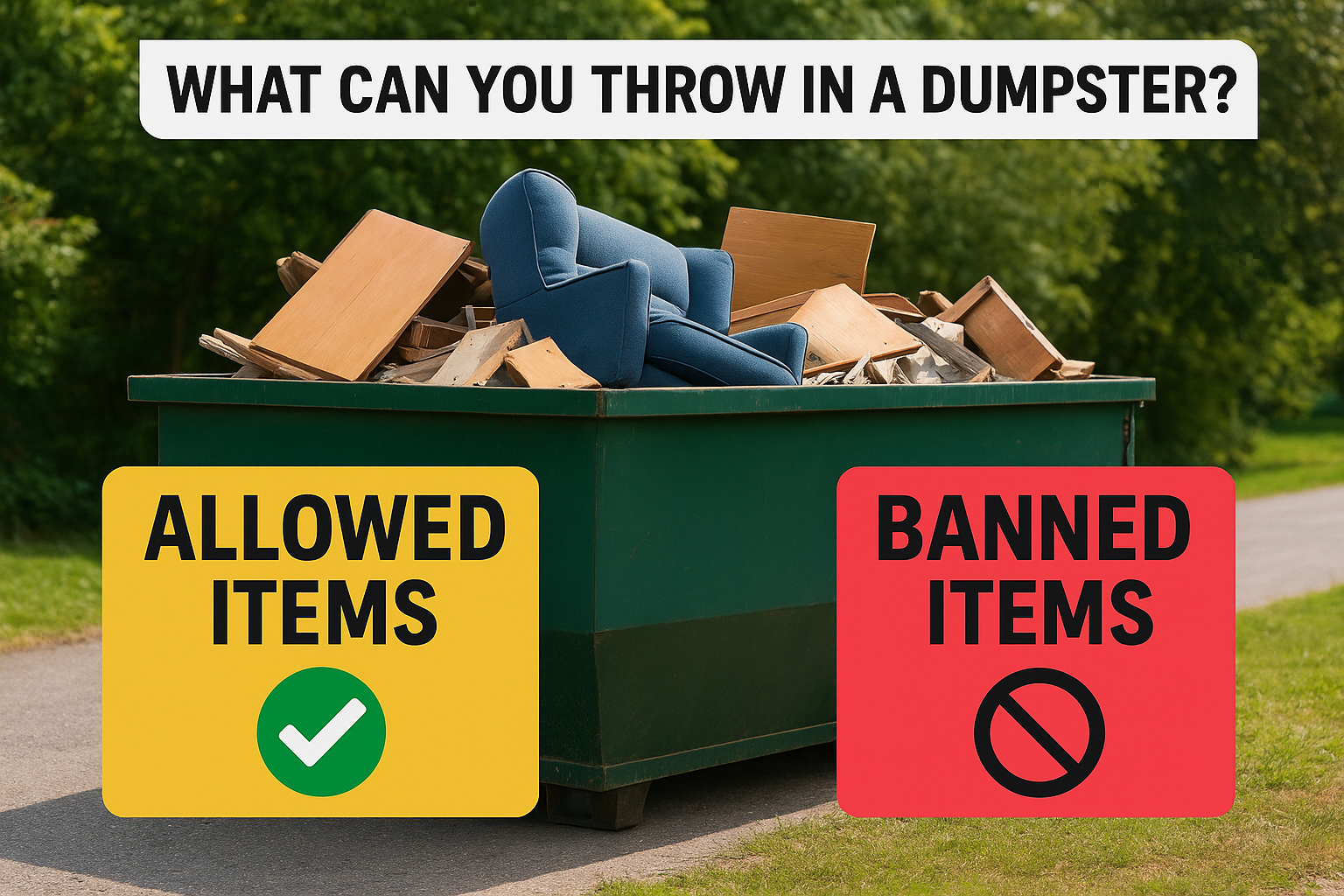
You rented a dumpster (or you’re about to), and now you’re standing in your driveway wondering what can you throw in a dumpster without getting hit with extra fees or a rejected load. It’s a fair question, and one that most people don’t think about until the container is already sitting in their yard. The answer depends on the material, local disposal regulations, and what the facility at the other end will actually accept.
At Dump Express, we deliver dumpsters across Cape Cod and Plymouth every day. After 20+ years of hauling waste in this region, we’ve seen just about everything end up in a bin, some of it allowed, a lot of it not. We put this guide together based on that hands-on experience so you can load your dumpster with confidence and avoid surprises.
Below, you’ll find a clear breakdown of commonly accepted materials, items that are restricted or banned, and a few things that fall into a gray area. Whether you’re cleaning out a basement, tearing down a deck, or managing a job site, this list will help you sort it out before you toss it in.
1. Dump Express dumpster rules for Cape Cod and Plymouth
Before figuring out what can you throw in a dumpster, it helps to understand the rules that apply to every Dump Express rental. These guidelines follow the requirements of the waste transfer facilities we haul to across Cape Cod and Plymouth. What ends up in your bin directly affects whether that load gets accepted at the other end.
What usually goes in
Most solid, non-hazardous, dry materials are acceptable in a Dump Express container. That covers the bulk of what you’d encounter in a home cleanout, renovation, or job site cleanup.
- Furniture, mattresses, and bulky household items
- Clean construction debris: wood, drywall, tile, shingles
- Cardboard, paper, and packaging materials
- Appliances (some restrictions apply for units containing refrigerants)
- General yard debris mixed with other materials
What usually stays out
Certain categories are banned at the facilities we work with, which means they’re banned in our dumpsters too. Liquids, hazardous materials, tires, propane tanks, lead-acid batteries, and anything with contamination risk fall outside what we can haul.
If a prohibited item ends up in your container, expect either a surcharge or a rejected load, so ask before you toss anything questionable.
What to do instead
If you have banned materials on your project list, you still have workable options. Barnstable County and most Cape Cod towns run household hazardous waste drop-off events throughout the year where you can bring paint, motor oil, and similar items at no charge. Electronics and appliances containing refrigerants require separate handling through a certified recycler.
Your local transfer station is also a direct resource for items we can’t accept. Many stations take materials sorted by category that won’t go into a mixed-load dumpster.
Local notes for Cape Cod and Plymouth
Cape Cod sits over a sole-source aquifer, which drives stricter regional rules around certain waste types compared to other parts of Massachusetts. Some towns also apply their own local requirements on top of state standards. When something seems unclear, call us before you load and we’ll give you a straight answer for your specific town.
2. Household junk from cleanouts and moving
Home cleanouts and moves generate large volumes of mixed junk fast. Knowing what can you throw in a dumpster during these projects saves you from hauling banned items back out.
What usually goes in
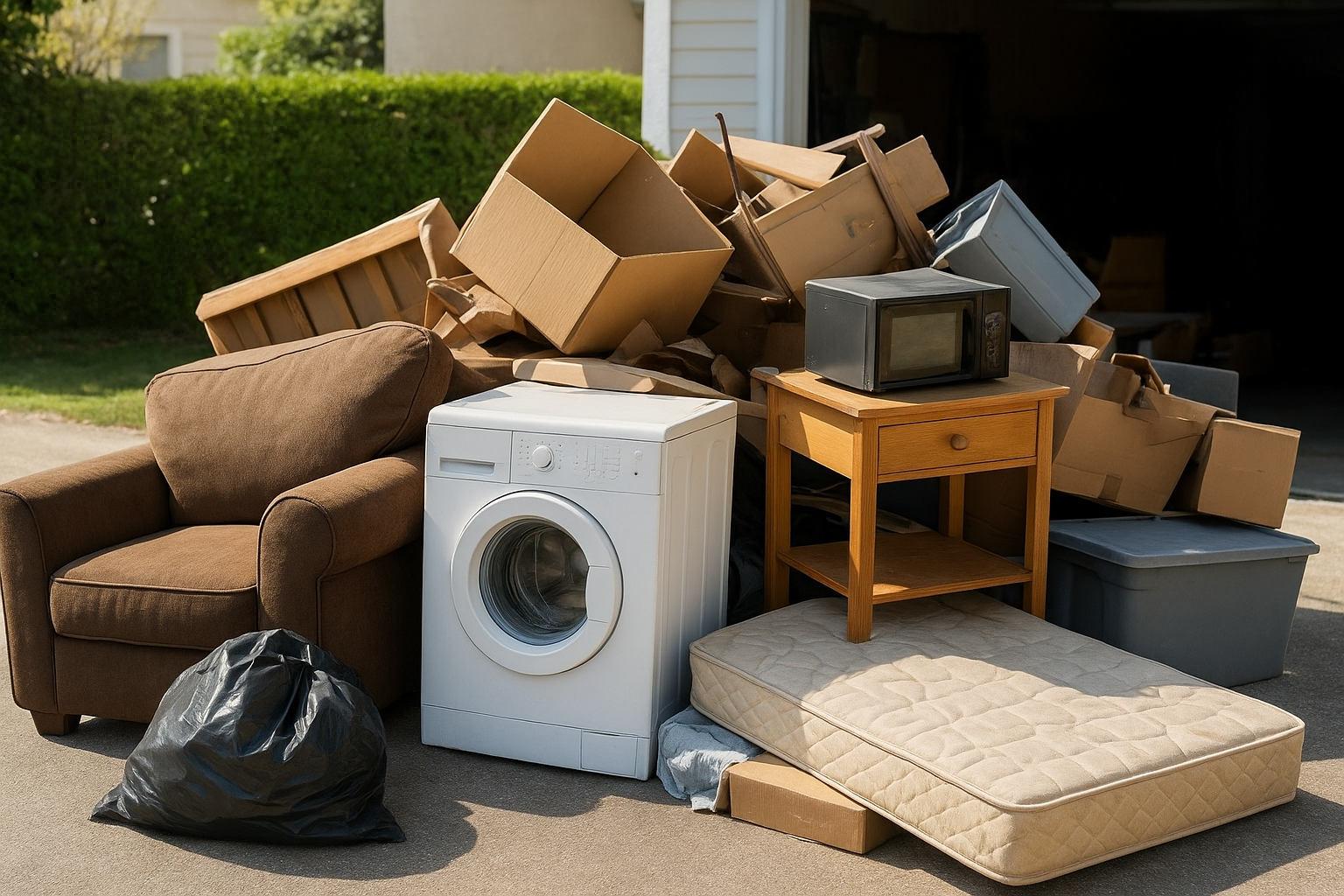
Most of what fills a home during a cleanout is acceptable in a standard dumpster. Think furniture, clothing, toys, dishes, small appliances, boxes, and general household clutter.
- Sofas, chairs, tables, and bed frames
- Clothing, linens, and soft goods
- Kitchenware, dishes, and small appliances
- Books, toys, and miscellaneous clutter
- Mirrors and non-tempered glass (wrapped securely)
What usually stays out
A few common household items are off-limits even during cleanouts. Propane tanks, full paint cans, motor oil, chemical-based cleaners, and anything containing liquid cannot go in the bin.
Partially full paint cans are one of the most frequently rejected items we see, so dry them out or drop them at a local hazardous waste event instead.
What to do instead
Working electronics and gently used furniture may qualify for donation through local thrift shops or curbside pickup programs. For anything hazardous, your town transfer station is the right call.
Local notes for Cape Cod and Plymouth
Many Cape Cod towns run seasonal donation events and hazardous waste drop-off days, especially in spring and fall when cleanouts peak. Check your town’s website for current schedules before your project starts.
3. Remodeling and construction debris
Renovation projects move fast, and debris stacks up faster. Knowing what can you throw in a dumpster during a remodel keeps your job on schedule and your load from getting rejected at the transfer facility.
What usually goes in
Clean construction debris makes up some of the most accepted loads we haul. Dry wood, drywall, tile, and similar non-hazardous building materials are generally straightforward.
- Lumber, dimensional wood, and plywood
- Drywall and plaster
- Ceramic tile, flooring, and underlayment
- Asphalt roofing shingles (non-asbestos)
- Metal framing, pipes, and fixtures
What usually stays out
Asbestos-containing materials are a hard stop. Older homes built before 1980 may have asbestos in floor tiles, insulation, or joint compound, and those require licensed abatement before any disposal can happen.
If your renovation uncovers suspected asbestos, stop work and contact a certified abatement contractor before touching or loading anything.
What to do instead
Licensed abatement contractors handle removal and proper disposal through regulated channels. For large concrete or masonry loads, weight limits on all containers mean a separate heavy-debris option is often the smarter route, so ask us before you start loading.
Local notes for Cape Cod and Plymouth
Many older Cape Cod homes predate modern building regulations, which means asbestos and lead paint turn up more often here than in newer construction zones. Talk to us before loading materials from a pre-1980 structure and we’ll point you in the right direction.
4. Yard waste and outdoor cleanup debris
Yard cleanups generate a surprising mix of materials, and what can you throw in a dumpster during outdoor projects is not always obvious. Branches, old patio furniture, landscaping debris, and loose soil fall into different categories depending on weight, volume, and how wet the material is.
What usually goes in
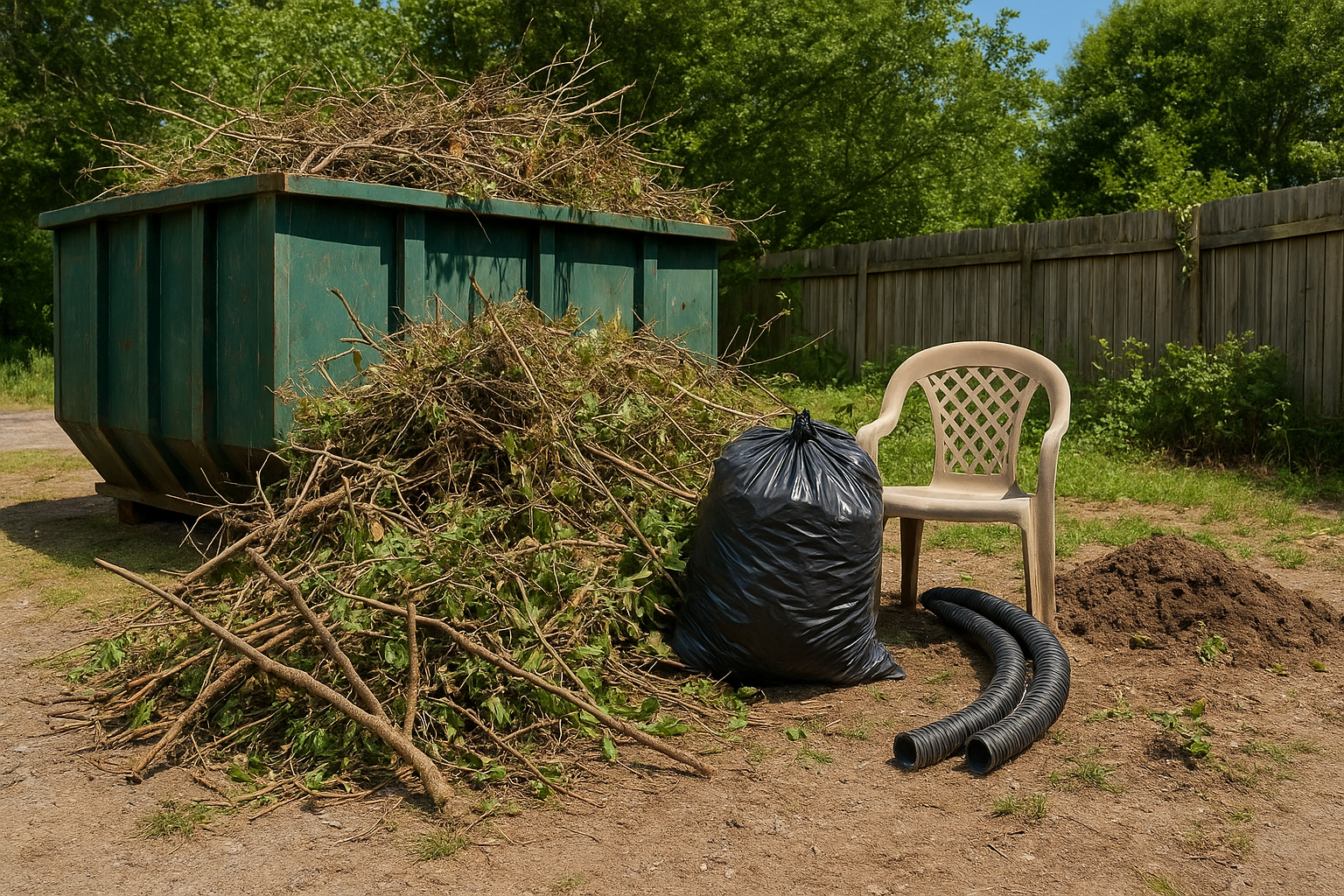
Most dry yard debris mixed with general waste is acceptable in our containers. Branches, leaves, shrubs, and general landscaping trimmings can go in as long as they’re not waterlogged and stay below the fill line.
- Branches, brush, and tree trimmings
- Bagged or loose leaves
- Shrubs, plants, and pulled weeds
- Old patio furniture, fencing, and outdoor decor
- Small amounts of dirt and sod
What usually stays out
Heavily saturated soil and large volumes of pure dirt, stone, or rock are the main issue. Weight limits apply to every container size, and dense materials can push a load over the limit quickly even when the bin looks only half-full.
Loading a container even partway with pure dirt or rock can exceed the weight limit, so mix heavy materials with lighter debris or ask us before you start.
What to do instead
If your project involves large volumes of soil, gravel, or stone, a separate dedicated haul is usually the smarter route. Many landscaping contractors also remove clean fill as part of their standard service.
Local notes for Cape Cod and Plymouth
Sandy Cape Cod soil tends to run lighter than dense inland fill, which works in your favor. Still, check with us before loading if your outdoor project involves any real excavation work.
5. Hazardous, liquid, and special waste
Hazardous and liquid waste is where most dumpster loads get rejected or hit with surcharges. Knowing what can you throw in a dumpster when hazardous materials are involved keeps your project on track and avoids costly problems at the transfer facility.
What usually goes in
Very little in this category makes it into a standard bin. Empty aerosol cans with no residue and dried-out paint cans are generally acceptable, but anything with liquid content or chemical residue is off the table entirely.
What usually stays out
This covers the most common problem materials: motor oil, gasoline, solvents, and paint thinner, along with propane tanks, lead-acid batteries, mercury-containing devices, pesticides, herbicides, and medical or biohazardous waste. None of these belong in a dumpster.
If you’re unsure whether a container still holds residue, treat it as full and route it through the proper disposal channel.
What to do instead
Barnstable County and most Cape Cod towns hold scheduled hazardous waste collection events where you can drop off paint, chemicals, batteries, and similar materials at no charge. Your town’s transfer station can also direct you to certified disposal options for materials that require special handling.
Local notes for Cape Cod and Plymouth
The aquifer protection rules that apply across Cape Cod make proper hazardous waste disposal especially important in this region. Many towns here run more frequent collection events than other parts of Massachusetts, so check your town’s schedule before your project starts.
Next steps before you book pickup
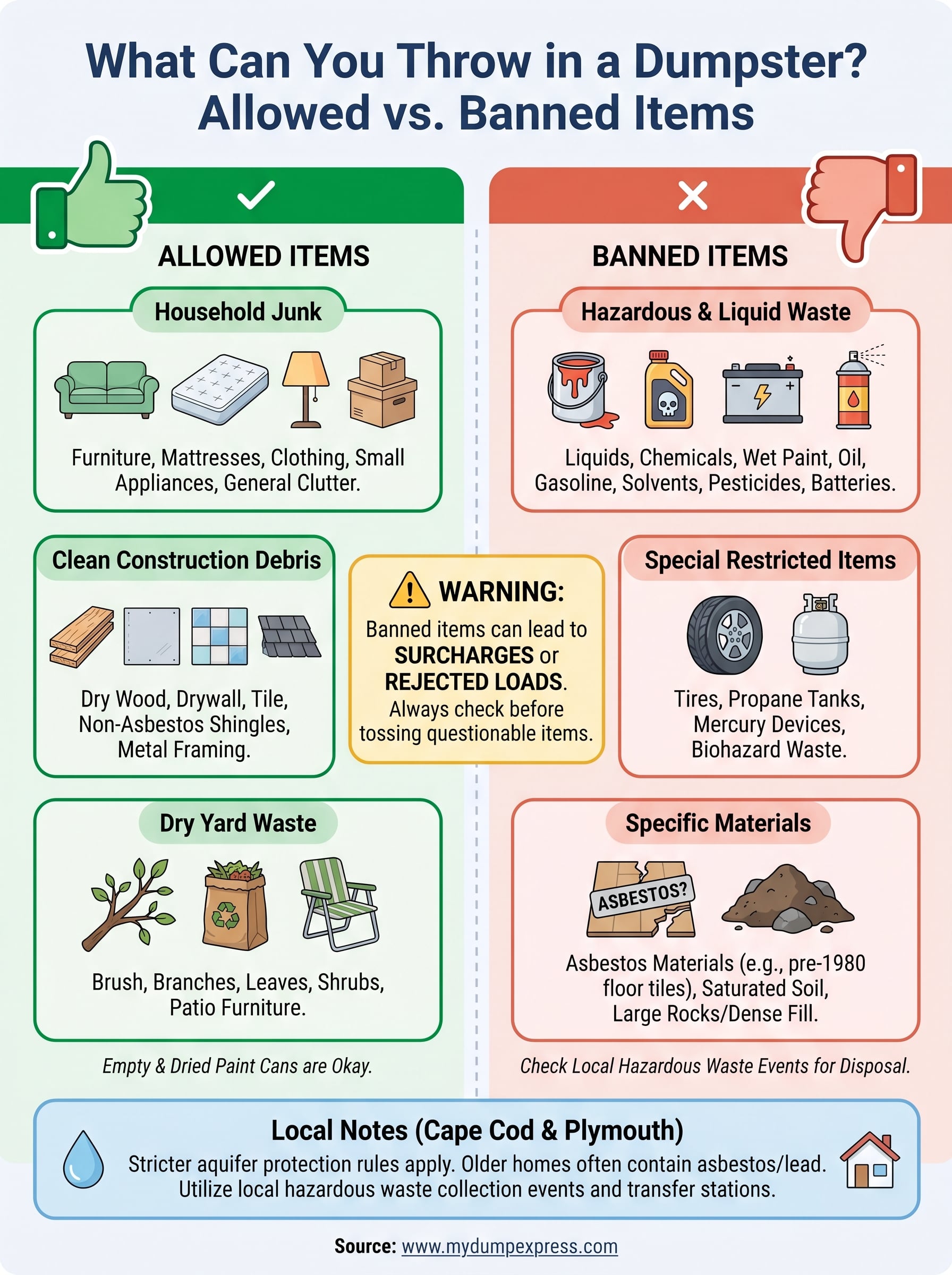
Now that you know what can you throw in a dumpster and what needs to go somewhere else, you’re ready to move forward without guessing. Before you book, take a few minutes to sort your materials into two clear piles: what the dumpster can handle and what needs a separate disposal route. That one step prevents rejected loads and unexpected surcharges.
Next, pick the right container size for your project. Undersizing forces a second haul, and oversizing means paying for space you don’t use. If you’re not sure which size fits your job, we’ll help you work it out before you commit to anything.
When you’re ready to schedule, book your dumpster rental with Dump Express for same-day or next-day delivery across Cape Cod and Plymouth on your timeline. Our local team is available seven days a week to answer any material questions before your bin hits the driveway.